
Licensed in Louisiana, Texas, and Arkansas
Licensed in Louisiana, Texas, and Arkansas
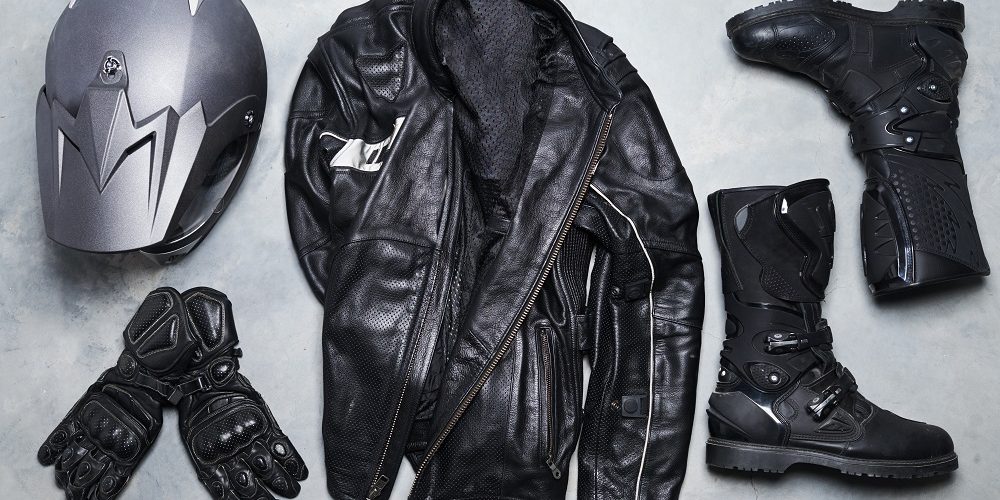
Motorcycle safety gear significantly impacts injury claims by serving as evidence of responsible riding, which can support higher compensation, or, if absent, as a basis for insurance companies to argue comparative negligence and reduce payouts.
Motorcycle accidents can happen in an instant, leaving riders with serious injuries, mounting medical bills, and a legal process that feels overwhelming. What many riders do not realize is that the gear they wore (or did not wear) on the day of an accident can become a central issue in their personal injury claim.
From helmet laws to insurance negotiations, safety equipment is both a physical protection and a legal consideration that can affect the outcome of your case. If you were injured in a motorcycle accident in Louisiana, Texas, or Arkansas, understanding how gear affects your claim helps you make smarter decisions on the road and in the legal aftermath of a crash.
Contact us today at Lukov Injury Law LLC to understand your rights and pursue the compensation you deserve.
Yes, helmet use can affect your claim. In states with mandatory helmet laws, riding without one may be used as evidence of negligence, reducing your compensation. In states with partial helmet laws, insurers still argue that head injuries sustained without a helmet were the rider’s own fault.
Helmet laws vary across states:
 When you ride without a helmet in a state that requires one and then suffer a head injury, the opposing party’s insurance company will likely raise this point during settlement negotiations or at trial.
They will argue that your injuries were made worse by your failure to protect yourself. This argument ties directly to comparative fault principles, which can reduce your total compensation by the percentage of blame assigned to you.
When wearing a helmet is legally optional, juries and adjusters still tend to view unhelmeted riders less favorably. An attorney can counter these arguments by showing that your head injuries resulted from the severity of the crash itself, not your gear choice. This requires building a strong evidentiary foundation from day one.
Comparative fault allows courts to assign partial blame to accident victims based on their own conduct. If a rider’s lack of safety gear contributed to their injuries, their compensation may be reduced proportionally.
Each state handles comparative fault differently:
Suppose a driver runs a red light and strikes a motorcyclist who was not wearing protective gloves or a jacket. The rider suffers severe road rash and broken fingers.
The insurance company may argue that proper gear would have minimized those injuries, attempting to assign 20% of the fault to the rider’s gear choices. On a $100,000 claim, that is $20,000 in lost compensation.
If you were wearing any protective gear, photograph it immediately after the accident, even if it is damaged. Damaged gear tells a powerful story about the forces involved in the crash and the protection the equipment provided.
Your attorney can work with accident reconstruction experts and medical professionals to show the causal relationship between the driver’s negligence and your actual injuries.
Helmets receive the most legal scrutiny in motorcycle injury claims, but jackets, gloves, boots, and high-visibility clothing also come under examination. Insurers evaluate whether standard protective equipment could have prevented or reduced specific injuries.
Beyond helmets, here is how different gear types can factor into claims:
Having documentation of your gear (receipts, photos, and brand certifications) can support your attorney’s efforts to show that you took reasonable precautions as a rider.
Insurers cannot deny a valid claim outright because a rider lacked safety gear, but they can use gear absence to argue reduced liability or lower settlement value. Gear-related arguments commonly appear during settlement valuation disputes.
An outright denial based on gear use alone would be difficult to justify legally and could expose the insurer to bad faith claims. What insurers do instead, with considerable frequency, is use gear absence as a lever to reduce what they are willing to offer in settlement. This is a negotiation tactic, not a reflection of the law.

For example, an adjuster might open settlement discussions with a lowball figure, citing that your lack of reinforced boots contributed to your ankle injury. Their goal is to make you feel uncertain about your claim’s strength, hoping you will accept less than you deserve.
This is where legal representation matters. An attorney handling motorcycle accident claims understands these tactics and knows how to challenge them.
Medical testimony, biomechanical analysis, and accident reconstruction can all show that the defendant’s negligence was the primary and proximate cause of your injuries, regardless of what gear you wore. The burden of proving that gear absence worsened injuries rests with the party making that argument, and it is rarely as straightforward as they make it seem.
Wearing full protective gear signals responsible, safety-conscious riding behavior to juries, judges, and insurance adjusters. This can increase credibility during claims, reduce comparative fault arguments, and support higher compensation valuations.
Beyond the mechanical legal arguments, there is a human element to personal injury claims: credibility. Jurors and adjusters are people, and perception matters. A rider who was wearing a full-face helmet, armored jacket, reinforced gloves, and ankle-protective boots sends a clear message.
This was a responsible person who took their safety seriously. The fault for this accident lies elsewhere.
That credibility translates into tangible claim value. Claimants viewed as responsible tend to receive more favorable outcomes. Your gear choices become part of your overall narrative as a plaintiff.
There is also a medical evidence angle. Riders with proper gear often sustain injuries that are clearly correlated with the crash impact rather than preventable through different behavior.
This makes it harder for defense teams to muddy the causation argument. When your head injury was clearly caused by a 50-mph impact rather than the absence of a helmet, that distinction strengthens your case.
If you are filing a claim after a motorcycle accident, your attorney will want to establish the full picture of your riding habits, safety practices, and the specific circumstances of the crash to build the most compelling case possible.
After a motorcycle accident, preserve your gear immediately. Photograph it, do not discard damaged equipment, and store it safely. Also document injuries before treatment alters their appearance, gather witness information, request the po
