
Licensed in Louisiana, Texas, and Arkansas
Licensed in Louisiana, Texas, and Arkansas

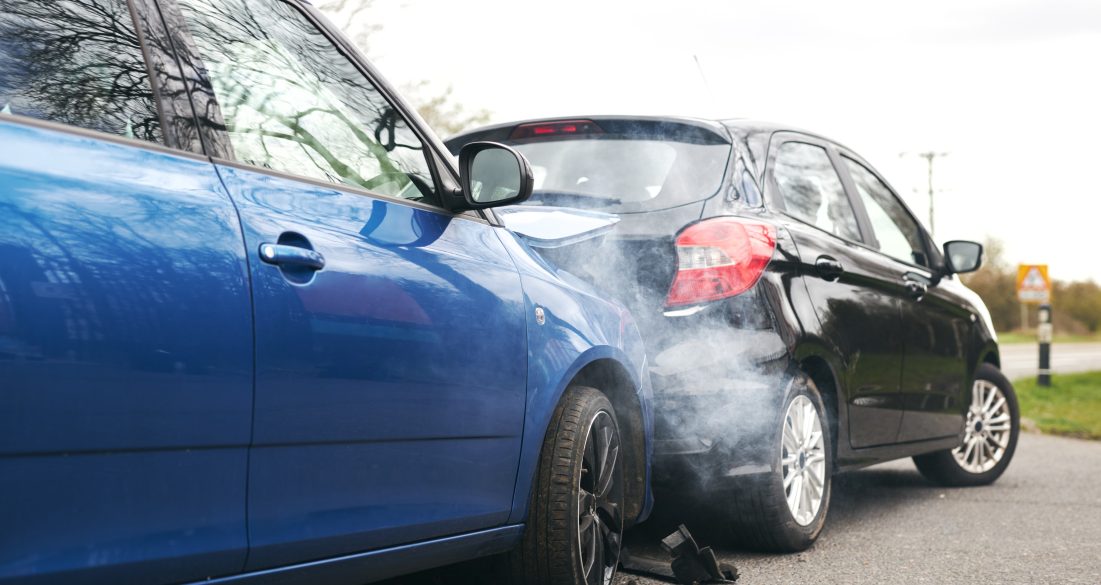
The most common causes of wrongful death claims in New Orleans are motor vehicle crashes, including car, truck, and motorcycle accidents. Other frequent causes are medical malpractice, workplace and industrial accidents, unsafe property conditions, and defective products. The cause matters because it points to who may be liable, which deadline applies, and what damages a Louisiana family can recover.
The common causes of wrongful death in New Orleans share a pattern: an ordinary moment turns fatal because someone else was careless. A driver looks at a phone, a property owner ignores a hazard, or a company cuts a corner, and a family loses someone they counted on.
Knowing what most often causes these claims helps a family understand who may be responsible and what to do next. At My Lawyer Abby, the personal injury practice of Lukov Injury Law LLC, we help New Orleans families look at how a death happened and who can be held accountable under Louisiana law.
This guide walks through the causes we see most, from traffic crashes to unsafe property, and how each one shapes a claim. Contact us today to ask whether your family’s loss may support a wrongful death case.
New Orleans packs heavy traffic, busy interstates, an active port, and a large medical and tourism economy into one metro area. That mix creates daily situations where one person’s negligence can cost another person their life.
A wrongful death claim does not arise from every tragedy, only from a death that another party caused through fault or neglect. The question is whether someone failed to act with reasonable care and whether that failure led to the death.
Sorting the cause from the blame is the first step in any case. We look at how the death happened, who was involved, and which Louisiana rules apply before talking about a claim.
The cause also points to a different set of evidence each time, from crash data to a property’s maintenance history. Pinning it down early lets us chase the right records before they disappear and bring in the right party from the start.
Crashes on local streets, I-10, and the Pontchartrain Expressway are among the most common sources of fatal-injury claims. Speeding, distracted driving, running red lights, and impaired driving turn routine trips into deadly ones.
When another driver’s choices cause a fatal crash, the family may have a wrongful death claim against that driver. We handle fatal car accidents and work to identify every party whose negligence played a role.
Insurers often reach out to grieving families quickly with low offers, sometimes before the funeral. Getting advice early helps a family avoid signing away a claim worth far more than the first number.
More than one driver can share fault in a fatal crash, and so can a bar that overserved or an employer whose worker was on the clock. We look past the obvious driver to find every party whose negligence helped cause the death.
A loaded 18-wheeler can weigh many times what a passenger car does, so a truck crash is far more likely to be fatal. Driver fatigue, unsafe schedules, bad maintenance, and overloaded trailers all contribute to these wrecks.
Truck cases often involve more than the driver, because the trucking company, its insurer, and maintenance contractors may share fault. We handle fatal 18-wheeler accidents and dig into the company records behind the crash.
Riders, walkers, and cyclists have little protection when a driver fails to see them or yield. A single careless turn or an opened car door can be fatal for someone outside a vehicle.
These cases often turn on visibility, right-of-way, and whether the driver was paying attention. The lack of a metal frame around the victim makes these crashes some of the most devastating we see.
Drivers sometimes try to shift blame onto the rider or walker, which can lower or block a recovery under Louisiana’s fault rules. Showing what truly happened, through video and witness accounts, is central to these claims.
New Orleans streetcars, festival crowds, and tourist foot traffic put more people on foot and on bikes than many cities. That mix makes driver attention, and the lack of it, a recurring factor in these deaths.
 When a provider’s error causes a death, the family may have a claim, though these cases follow their own rules. Medical malpractice wrongful death claims carry a one-year deadline from the date of death and follow separate damage limits in Louisiana.
Missed diagnoses, surgical errors, medication mistakes, and birth injuries are common triggers. Because the rules differ from a typical accident case, the cause has to be identified early.
Louisiana also routes many malpractice claims through a medical review panel before a lawsuit can move ahead. That step adds time and process the family should plan for from the start.
Proving one of these cases usually calls for an outside medical opinion on what proper care would have looked like. Because the deadline is shorter and the process is longer, malpractice deaths leave the least room to wait.
Construction sites, docks, warehouses, and oil and gas operations all carry real risk of fatal injury. A workplace death may support a workers’ compensation claim and, when a third party is at fault, a separate negligence claim as well.
That second claim matters, because workers’ compensation alone often does not cover the family’s full loss. We look closely at whether a contractor, equipment maker, or other party outside the employer shares responsibility.
New Orleans sees these deaths across its docks, refineries, and building sites, where heavy equipment and tight schedules raise the stakes. The third-party claim is often where a grieving family recovers the support that comp benefits leave uncovered.
Property owners owe a duty to keep their spaces reasonably safe for the people allowed on them. Fatal falls, drownings in unmaintained pools, fires, and security failures can all support a premises-based wrongful death claim.
The question is whether the owner knew or should have known about the hazard and failed to fix it. These cases depend on what the owner did, or did not do, before the death.
Surveillance video, maintenance logs, and earlier complaints often show whether the danger was known and ignored. That record is easier to gather while it still exists, which is another reason to act early.
These claims reach apartment complexes, stores, parking lots, and event venues where security or upkeep fell short. When a foreseeable hazard turns deadly, the owner who ignored it can be held responsible for the loss.
A product that fails can kill the person using it as intended. Faulty vehicle parts, dangerous machinery, defective medical devices, and unsafe consumer goods can all lead to a claim under Louisiana product liability law.
These claims target the maker or seller rather than another individual. Preserving the product itself often becomes a key piece of the case.
Product records, recall history, and engineering review frequently help show the item was unsafe when it left the maker’s hands. Holding onto the product and its packaging gives that work a place to start.
A defect can sit in the design, the manufacturing, or a missing warning, and each path is proven differently. Because the maker may be a large company far from Louisiana, these cases reward early, organized preparation.
The cause does more than explain what happened, because it points to who can be held responsible and which rules apply. A truck crash, a malpractice death, and a workplace accident each follow a different path to recovery.
| Cause of Death | Who May Be Liable | What It Can Change |
|---|---|---|
| Car or truck crash | Driver, trucking company, employer | Insurer may be sued directly in certain cases under Louisiana law |
| Medical malpractice | Provider or hospital | One-year deadline, separate damage limits |
| Workplace accident | Employer plus any at-fault third party | Workers’ comp plus a possible negligence claim |
| Defective product | Manufacturer or seller | Claim follows Louisiana product liability rules |
Identifying the cause early shapes how we investigate and who we pursue. We handle Louisiana wrongful death claims across these categories and match the strategy to how the death happened.
No two fatal accidents look the same, and the cause often decides who can be held accountable and how much time you have. At My Lawyer Abby, we trace how the death happened and pursue every party whose negligence contributed to your family’s loss.
You work directly with Abby, not a case manager, and the first conversation is a free case review. Call us today to find out who may be responsible for your family’s loss and what your next step should be.
Disclaimer: This article provides general information and should not be treated as legal advice. Laws change over time, and outcomes depend on the specific facts of each case. No attorney-client relationship is created by reading this article or contacting Lukov Injury Law LLC. For advice about your situation, contact a qualified attorney. Time limits apply to legal claims, so do not delay in seeking legal help.
