
Licensed in Louisiana, Texas, and Arkansas
Licensed in Louisiana, Texas, and Arkansas
The content on this page is provided for general informational purposes only and does not constitute legal advice. Reading this page does not create an attorney-client relationship. Laws vary by jurisdiction and change frequently. Always consult a licensed attorney for advice specific to your situation.
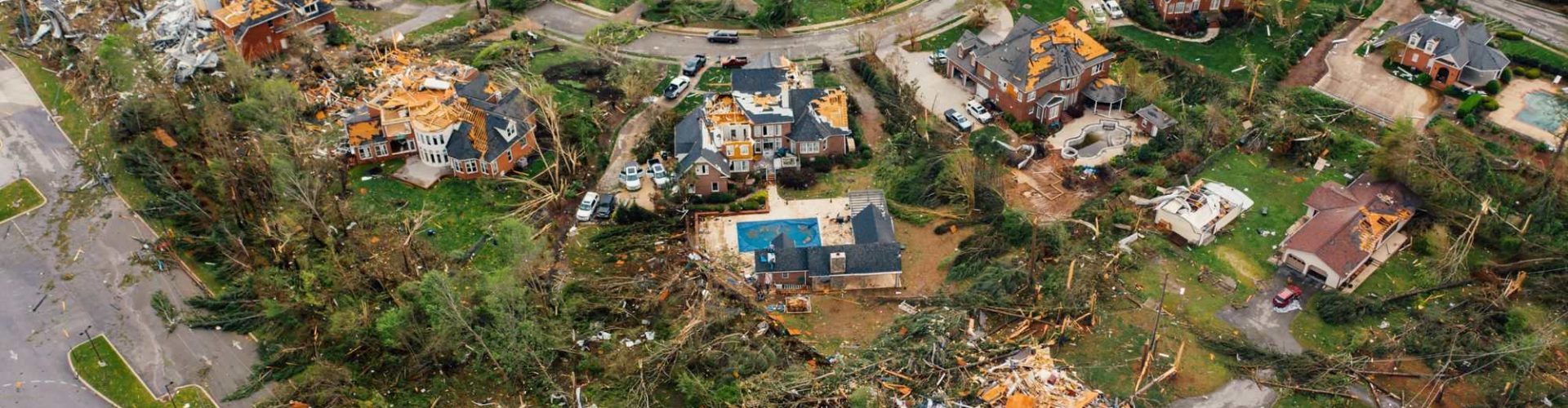
After a hurricane, the claim you file is with your own insurer. You paid for the policy, you report the damage, and the company that sold you the coverage decides how much it owes. When that process stalls, or the check does not cover the repairs, the dispute is between you and the company you have been paying.
Louisiana law sets rules for how insurers handle those claims. It sets deadlines to start adjusting a loss and to pay, and it allows penalties when a failure to pay is found to be arbitrary, capricious, or without probable cause. The rules for a declared disaster differ from the rules for an ordinary claim, and several changed in 2024 and again in 2026.
At Lukov Injury Law LLC, Abby represents Louisiana homeowners and business owners whose hurricane claims have been denied, underpaid, or delayed. You work with Abby directly, not a case manager.
Contact us today for a free consultation.
A first-party claim is a claim you make under your own insurance policy, as opposed to a claim against someone else’s insurer. After a hurricane, that can mean the homeowners policy on your house or the commercial property policy on your business.
Because the insurer is your own, its duties run to you. Under La. R.S. 22:1892, an insurer owes its insured “a duty of good faith and fair dealing” and “an affirmative duty to adjust claims fairly and promptly and to make a reasonable effort to settle claims.”
We represent both homeowners and business owners in Louisiana. The claims we review include:
Whether a particular loss is covered depends on the wording of the policy, including its exclusions and deductibles, so the policy itself is one of the first documents we read.
A Louisiana property insurer has to start adjusting your claim within fourteen days of notice, or thirty days for a catastrophic loss, and pay within set periods after it receives satisfactory proof of loss. For a catastrophic loss on immovable property, those payment periods are longer.
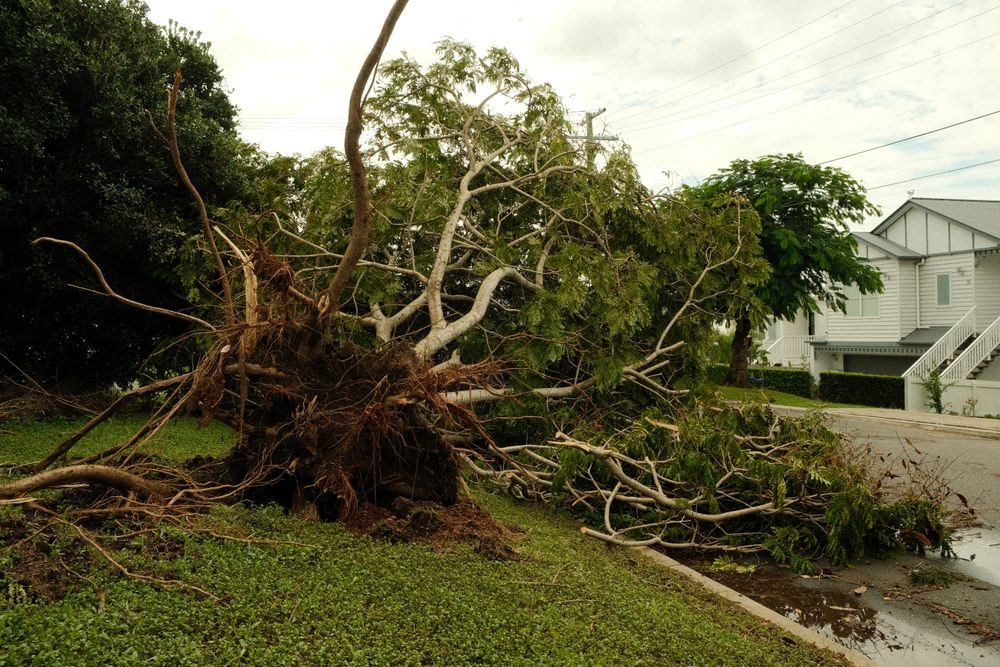 Under La. R.S. 22:1892(A)(3), an insurer must initiate loss adjustment of a property damage claim within fourteen days after notification of loss. For a catastrophic loss, the period is thirty days, and the commissioner may extend it for a declared emergency or disaster.
The statute defines a catastrophic loss as a loss that arose from a natural disaster, windstorm, or significant weather-related event that was a presidentially or gubernatorially declared emergency or disaster. A major hurricane can fall within that definition when a declaration is made.
For a catastrophic loss under a policy on residential property, La. R.S. 22:1892.2 requires the insurer to transmit payment of the amount due within sixty days after receipt of satisfactory written proof of loss. For other immovable property, such as a commercial building, the period is ninety days, with a possible extension of up to thirty days for commercial policies insuring multiple locations.
Where La. R.S. 22:1892.2 does not apply, the general rule in La. R.S. 22:1892(A)(1) is payment within thirty days after receipt of satisfactory proofs of loss.
When an insurer misses a payment deadline and the failure is found to be arbitrary, capricious, or without probable cause, Louisiana law allows a penalty on top of the amount owed.
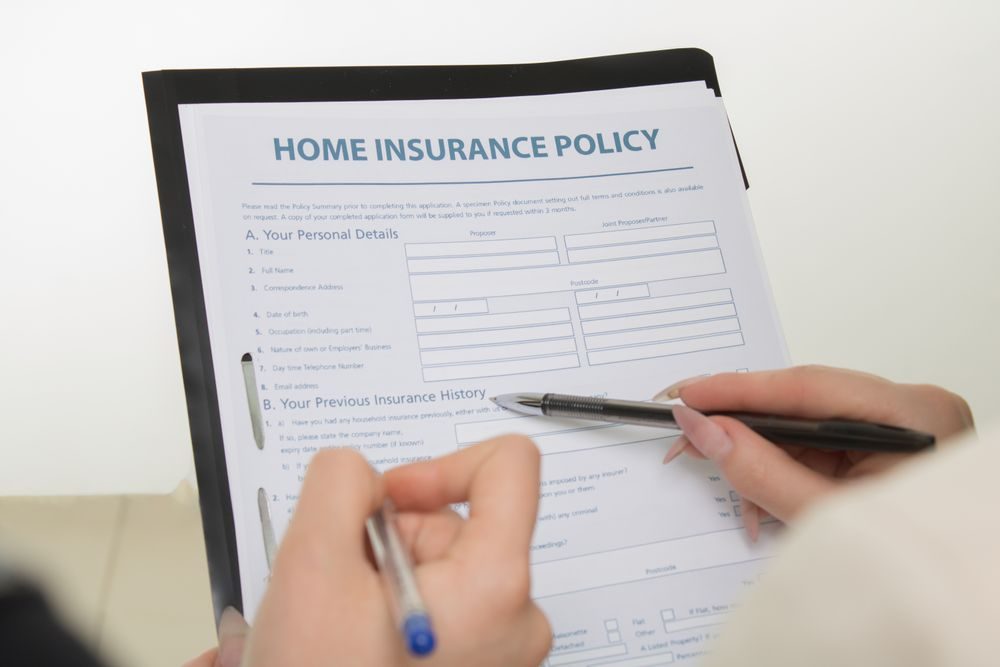 For a catastrophic loss on immovable property, La. R.S. 22:1892.2 sets the penalty at the greater of two amounts. The first is fifty percent of the amount found to be due, or of the difference between what was paid and what was due, plus proven economic damages. The second is two thousand five hundred dollars. Reasonable attorney fees and costs actually incurred are added to either one.
Before bringing a claim for those penalties, the insured must give the insurer sixty days’ written notice. The statute calls this a “cure period notice,” and it is given either on the department’s form or by formal written demand. If the insurer pays in full within those sixty days, the claim under that section ends for that demand. The notice rules also affect timing, so they are worth reviewing with a lawyer before the notice is sent.
Under La. R.S. 22:1892, the insured, the claimant, and any representative also owe a duty of good faith and fair dealing, and a violation of that duty can be considered when penalties or attorney fees are decided. Whether penalties apply depends on the facts, the timeline, and the insurer’s reasons, so careful records can matter as much as the damage itself.
Your policy sets the time limit to sue your insurer, and under La. R.S. 22:868 a property or homeowners policy cannot set that limit at less than twenty-four months after the inception of the loss. The period that applies to your claim depends on your policy and the facts, so confirm it with a lawyer early, because it can run while you are still negotiating.
As of June 9, 2026, La. R.S. 22:868 also provides that an insurer’s payment under the policy does not count as an acknowledgment of a debt and does not extend the policy’s time limit, which begins at the inception of the loss. In other words, under the 2026 change, a payment from your insurer should not be counted on to give you more time. Whether the change reaches a payment made before June 9, 2026 is a question to review with a lawyer.
Claims for penalties and attorney fees under the claim payment statutes are subject to a two-year prescriptive period.
The steps you take early can make a later dispute easier to prove.
A Louisiana homeowners policy can carry a separate deductible for named storms or hurricanes, and the policy states how that deductible is calculated.
La. R.S. 22:1337 covers homeowners policies and one- or two-family owner-occupied fire and allied lines policies. Under those policies, a separate named storm or hurricane deductible is applied on an annual basis to all such losses during the calendar year. If a second storm causes damage in the same year, the insurer may apply only the remaining amount of that deductible, or the deductible for other perils, whichever is greater.
A commercial policy on a business follows its own deductible terms instead.
A stalled hurricane claim can leave you paying for repairs out of pocket while the insurer decides what it owes. Insurance deadlines and time limits can keep running whether or not the claim is resolved.
At Lukov Injury Law LLC, Abby reviews your policy, the damage estimates, and the way the insurer has handled your claim, starting from the first conversation.
Call Abby at 504-315-5056 today for a free consultation.
You can ask the insurer in writing for its field adjuster report, compare it with your own estimates, and have a lawyer review the policy and the claim file. If the insurer’s failure to pay is found to be arbitrary, capricious, or without probable cause, Louisiana law allows penalties on top of the amount owed. For a catastrophic loss on immovable property, a sixty-day written cure period notice comes first, and the time limit in your policy can keep running, so it should be confirmed early.
For a hurricane or windstorm loss covered by a presidential or gubernatorial emergency or disaster declaration, La. R.S. 22:1892.2 gives the insurer sixty days to pay a residential property claim and ninety days for other immovable property, counted from satisfactory written proof of loss. Where that statute does not apply, the general rule under La. R.S. 22:1892 is thirty days. The insurer must also start adjusting the claim within the time set in La. R.S. 22:1892.
Yes. Under La. R.S. 22:1892, the insurer must give you a copy of its field adjuster report on your property damage claim within fifteen days of your request. Comparing that report with your own estimates can show where the two disagree.
Under a 2026 change to Louisiana law, a payment should not be counted on to extend your time to sue. As of June 9, 2026, La. R.S. 22:868 provides that an insurer’s payment under the policy does not extend the policy’s time limit, which begins at the inception of the loss. Whether that change reaches an older payment, and which time limit applies to your claim, should be confirmed with a lawyer.
Yes. We represent both homeowners and business owners in Louisiana with hurricane property claims that have been denied, underpaid, or delayed. A commercial claim turns on the terms of the commercial policy, so the policy is one of the first documents we review.
Attorney Advertising. Lukov Injury Law LLC.
