Licensed in Louisiana, Texas, and Arkansas
Licensed in Louisiana, Texas, and Arkansas

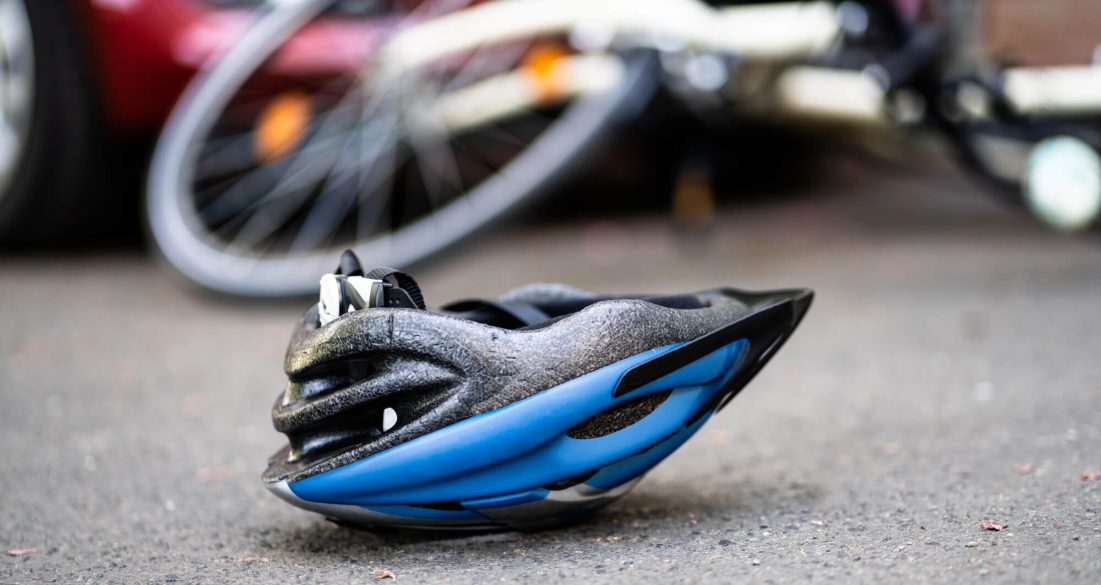
The moments following a bicycle accident can be disorienting and frightening. Whether you’ve been sideswiped by a car, struck while crossing an intersection, or forced off the road by a negligent driver, your actions in the immediate aftermath can significantly impact your physical recovery, legal rights, and ability to seek compensation.
Many cyclists make critical mistakes during this crucial window, leaving the scene too quickly, failing to document evidence, or giving statements that later undermine their claims.
Understanding the proper steps to take after a bicycle accident protects both your health and your legal options. From assessing injuries and calling law enforcement to preserving evidence and notifying insurance companies, each action serves a specific purpose in building your case.
The decisions you make in these first hours can mean the difference between a successful claim and a denied one. If you’ve been injured in a bicycle accident in Louisiana, contact Lukov Injury Law LLC for a consultation to discuss your rights and legal options with an experienced attorney who understands the unique challenges cyclists face.
Your first priority after any bicycle accident is ensuring safety for yourself and others involved. Before focusing on documentation or liability, you need to evaluate the immediate danger.
If you’re lying in the roadway or bike lane, try to move yourself and your bicycle to a safe location if you can do so without worsening any injuries. Active traffic lanes pose a serious risk of secondary collisions, which can result in even more severe injuries than the initial crash.
 Check yourself for injuries, even if you don’t feel pain immediately.
Adrenaline often masks symptoms of serious conditions like internal bleeding, concussions, or fractures. Look for obvious signs like bleeding, visible deformities, or inability to move certain body parts.
If you’re wearing a helmet, inspect it for cracks or damage; helmet damage often indicates a significant head impact, even if you don’t feel symptomatic yet.
Once you’ve secured your safety, assess whether others involved in the accident need help. If another cyclist, pedestrian, or vehicle occupant appears injured, call 911 immediately. Never leave the scene of an accident, as doing so can result in criminal charges and automatically undermine any civil claim you might have. Louisiana law requires drivers and, in some circumstances, cyclists to remain at accident scenes, render reasonable assistance, and exchange information.
Activate your phone’s flashlight or use any reflective gear to make yourself visible to oncoming traffic, especially in low-light conditions. If you have road flares or warning triangles (which some cyclists carry), deploy them to alert drivers. These safety measures protect you from further harm while you wait for emergency services and document the scene.
Calling law enforcement should be standard practice after any bicycle accident involving injury, property damage, or a motor vehicle. A police report creates an official record of the incident, documenting the date, time, location, parties involved, and the officer’s observations about the scene. This report becomes crucial evidence when filing insurance claims or pursuing legal action, as it provides a neutral third-party account of what occurred.
 Many cyclists hesitate to call the police for seemingly minor accidents, especially if the driver seems apologetic and cooperative.
This is a mistake. Injuries from bicycle accidents often don’t manifest immediately; you might feel fine at the scene only to discover severe whiplash, a concussion, or soft tissue damage hours or days later.
Without a police report, insurance companies frequently dispute that the accident occurred at all or claim your injuries came from a different incident.
When speaking with responding officers, stick to factual statements about what happened. Describe what you saw, heard, and experienced without speculating about fault or making definitive statements about your physical condition. Saying “I’m fine” at the scene can be used against you later if you develop symptoms. Instead, tell officers about any pain, discomfort, or areas of impact, even if symptoms seem minor. Be honest but measured in your description of events.
Evidence gathered immediately after your accident provides the foundation for any insurance claim or lawsuit.
Seek medical evaluation immediately after a bicycle accident, even if you believe your injuries are minor.
The human body’s stress response during traumatic events releases endorphins and adrenaline that mask pain signals. You might walk away from an accident feeling relatively okay, only to experience severe pain, stiffness, or neurological symptoms once these natural painkillers wear off. Delaying medical care creates two problems: it risks your health and provides insurance companies with ammunition to deny your claim.
 If paramedics arrive at the scene, you should accept emergency medical services.
EMS personnel can perform initial assessments, check for signs of concussion, evaluate your spine, and identify injuries requiring immediate hospital treatment.
If you decline emergency transport, insurance adjusters will later argue that you couldn’t have been seriously hurt. The decision to refuse EMS treatment should only be made after a thorough evaluation, and you should visit an urgent care facility or emergency room within hours of the accident.
Bicycle accidents commonly cause specific types of injuries that may not be immediately apparent. Traumatic brain injuries can occur even when wearing a helmet, presenting with delayed symptoms like headaches, nausea, confusion, or sensitivity to light.
Abdominal injuries from handlebar impact can cause internal bleeding that develops gradually. Fractures, particularly in the wrist, collarbone, or ribs, might not hurt significantly at first due to shock. Soft tissue injuries to your back, neck, and shoulders often worsen over the first 24-48 hours as inflammation sets in.
Follow all medical recommendations and attend follow-up appointments. Keep detailed records of every medical visit, including dates, providers seen, diagnoses received, treatments administered, and medications prescribed.
Save all medical bills, prescription receipts, and explanations of benefit statements from your health insurance. This documentation establishes the causal connection between the accident and your injuries, a critical element in any personal injury claim. Gaps in treatment allow insurance companies to argue that your injuries weren’t serious or that they resulted from some intervening cause rather than the accident.
Contact your own insurance company promptly to report the accident, but be strategic about what you say.
Most insurance policies require timely notice of accidents, and failing to report within the specified timeframe can jeopardize your coverage. Inform your insurer about the accident’s date, time, and location, the parties involved, and the fact that you sustained injuries while cycling. Request information about your coverage, including any medical payments coverage, uninsured motorist protection, or underinsured motorist benefits that might apply.
When the at-fault driver’s insurance company contacts you, and they will, often within days of the accident, be extremely cautious. These adjusters are trained to gather information that minimizes their company’s liability. Politely decline to provide a recorded statement. You’re under no legal obligation to give one, and anything you say can be taken out of context or used to diminish your claim. Insurance adjusters often ask seemingly innocent questions designed to elicit damaging admissions, like “How are you feeling?” If you respond, “I’m fine,” they’ll use that statement to argue against the severity of your injuries.
 Never accept an early settlement offer without consulting an attorney. Insurance companies frequently extend quick settlement offers to unrepresented accident victims, hoping to close claims cheaply before the full extent of injuries becomes apparent.
These offers rarely account for future medical treatment, lost wages, diminished earning capacity, or non-economic damages like pain and suffering. Once you sign a release and accept payment, you typically waive your right to pursue additional compensation, even if you later discover serious complications from your injuries.
Refer persistent insurance adjusters to your attorney. Having legal representation demonstrates your understanding of your rights and ensures you resist pressure to accept an unfair settlement. It also creates a buffer that prevents you from making unintentional statements that harm your case.
Insurance companies approach bicycle accident claims differently than standard car accident cases, often with greater skepticism and lower initial valuations. Adjusters may harbor biases against cyclists, assuming they were reckless, violated traffic laws, or bear substantial fault for their injuries.
Although unfair and often unfounded, these prejudices pose a significant challenge for cyclists seeking fair compensation. An experienced personal injury attorney levels the playing field by presenting evidence that counters these biases and demonstrates the driver’s liability.
Many bicycle accident cases involve multiple potentially liable parties, not just the driver who struck you. If the accident occurred due to a dangerous road condition, the municipality responsible for road maintenance might share liability.
If the driver was working at the time of the accident, their employer may be liable under the respondeat superior doctrine. If a defective bicycle component contributed to the crash, the manufacturer could bear responsibility. Identifying all potential defendants and their insurance coverage sources requires legal analysis—missing a liable party means leaving compensation on the table.
Attorneys work on contingency fee arrangements in personal injury cases, meaning they only get paid if you recover compensation. This arrangement eliminates financial barriers to quality legal representation and aligns your attorney’s interests with your own. You don’t pay hourly fees or upfront retainers, so you can access experienced counsel regardless of your financial situation. The contingency fee comes from your settlement or verdict, typically ranging from 33% to 40%, which means your attorney is motivated to maximize your recovery.
The actions you take immediately after a bicycle accident shape the outcome of your physical recovery and any legal claim you might pursue.
Prioritizing safety, obtaining medical care, documenting evidence, and protecting your legal rights by limiting insurance communications are all critical steps. Louisiana’s one-year statute of limitations, comparative fault system, and specific cycling laws create unique considerations that affect how bicycle accident claims are handled and resolved.
Every bicycle accident case carries distinct circumstances that require individualized legal analysis. The severity of your injuries, the clarity of liability, the available insurance coverage, and the strength of your evidence all influence the potential value of your claim and the best strategy for pursuing compensation. While the immediate steps outlined here apply broadly, the specific path forward in your case depends on factors unique to your situation.
If you’ve been injured in a bicycle accident in Louisiana, reach out to Lukov Injury Law LLC today for a consultation. Abby Lukov will evaluate your case, explain your legal options, and fight to ensure you receive the fair compensation for your injuries and losses.
Disclaimer:
This article provides general information only and is not legal advice. Reading it does not create an attorney-client relationship. Laws and outcomes vary by case. Consult a qualified Louisiana personal injury attorney for advice specific to your situation.
Louisiana doesn’t require adult cyclists to wear helmets, so the absence of a helmet doesn’t automatically bar you from recovering compensation. However, insurance companies will likely argue that your failure to wear a helmet contributed to your injuries, potentially reducing your recovery under Louisiana’s comparative fault system. The extent to which this affects your case depends on the nature of your injuries—helmet absence is more relevant for head injuries than for a broken leg or shoulder injury. Document all injuries carefully and consult an attorney who can counter arguments about helmet use with medical evidence.
Yes, you can still pursue compensation through your own uninsured motorist coverage if the at-fault driver fled the scene. This is why reporting the accident to police immediately is crucial; the police report documents the hit-and-run, which your insurance company will require before processing a claim. Try to note any identifying information about the fleeing vehicle, including license plate numbers, make, model, color, and direction of travel. Witness statements become especially important in hit-and-run cases, as they can provide descriptions or details you might have missed.
Settlement timelines vary significantly based on the complexity of your case, the severity of your injuries, and the insurance company’s willingness to negotiate fairly. Simple cases with clear liability and modest injuries might settle in a few months, while complex cases involving serious injuries, disputed fault, or inadequate insurance coverage can take a year or longer. You shouldn’t settle until you’ve reached maximum medical improvement and understand the full extent of your injuries and future medical needs. Rushing to settle before completing treatment often results in accepting far less compensation than your case is truly worth.
Accidents occurring in bike lanes or on dedicated cycling paths often involve clear liability, as drivers must yield to cyclists lawfully using these facilities. Louisiana law provides specific protections for cyclists using designated infrastructure. However, you still need to document the scene thoroughly, showing the bike lane markings, signage, and how the driver intruded into the protected space. If the accident occurred because the bike lane was poorly maintained or designed dangerously, the government entity responsible for the roadway might share liability alongside the negligent driver.
The payment source depends on what coverage is available. If you carry MedPay or PIP coverage on your auto insurance policy, those benefits typically pay first regardless of fault, covering medical bills up to your policy limits. After exhausting those benefits, your health insurance generally covers additional medical expenses. However, both your auto insurance and health insurance may assert subrogation rights, meaning they can seek reimbursement from any settlement or verdict you obtain. An attorney can negotiate these liens to maximize the amount you ultimately keep from your recovery.
Louisiana law allows recovery of both economic and non-economic damages in bicycle accident cases. Economic damages include medical expenses, lost wages, future medical costs, loss of earning capacity, property damage to your bicycle and gear, and other out-of-pocket expenses. Non-economic damages compensate for pain and suffering, mental anguish, loss of enjoyment of life, permanent scarring or disfigurement, and loss of consortium (impact on your relationship with your spouse). Calculating the full value of these damages requires experienced legal counsel who understands how to document and present these losses persuasively to insurance companies or juries.