Licensed in Louisiana, Texas, and Arkansas
Licensed in Louisiana, Texas, and Arkansas
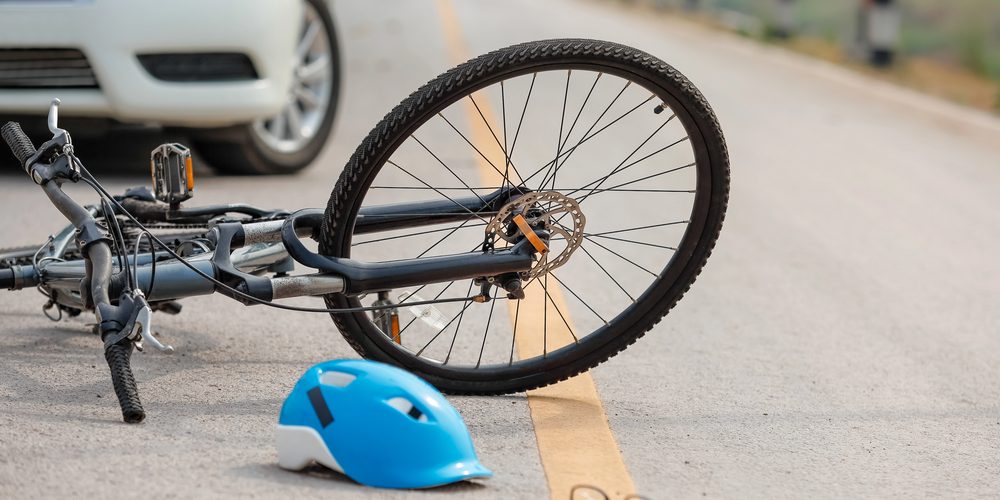
You’re standing on the sidewalk, your bicycle lying nearby, checking yourself for injuries after a collision. The driver apologizes profusely, insisting it’s “just a minor accident” and suggesting you both move on without involving insurance or attorneys. Your knee hurts, but you can walk. The bike looks okay at first glance. Should you accept the driver’s suggestion and handle this on your own, or is legal representation necessary even when the accident seems minor?
The answer isn’t as straightforward as you might think. What appears minor immediately after a bicycle accident can evolve into something far more serious in the days and weeks that follow. Adrenaline masks pain, and bicycle damage may be internal rather than cosmetic. Insurance companies often use the “minor accident” label to minimize your compensation.
Understanding your legal options protects your health, your finances, and your future.
If you’ve been involved in a bicycle accident in Louisiana and you’re unsure about your next steps, contact Lukov Injury Law LLC for a free consultation to discuss your specific situation and ensure your rights are fully protected.
The term “minor bicycle accident” lacks a legal definition, which creates confusion for cyclists trying to determine whether they need professional representation. Insurance adjusters and at-fault parties frequently use this phrase to downplay incidents that deserve serious attention and fair compensation.
From a practical standpoint, people typically consider an accident minor when no one appears seriously injured at the scene, the bicycle seems rideable, and the damage looks superficial. However, this assessment is dangerously incomplete. Bicycle accidents involve unique dynamics that make initial appearances deceptive.
 Unlike car accidents, where passengers are surrounded by protective structures and airbags, cyclists absorb impact forces directly through their bodies. Even low-speed collisions can cause significant internal injuries, joint damage, or concussions that don’t manifest immediately.
Medical professionals recognize that delayed symptom presentation is common in bicycle accidents. Soft tissue injuries, including whiplash, ligament tears, and muscle strains, often don’t produce severe pain until inflammation develops hours or days later.
Traumatic brain injuries can be particularly insidious, with symptoms like confusion, memory problems, or headaches appearing gradually. By the time you realize the accident wasn’t minor, you may have already given statements to insurance companies or signed releases that compromise your ability to seek appropriate compensation.
Louisiana law doesn’t distinguish between “minor” and “major” accidents when it comes to liability and negligence. If another party’s actions caused your accident, you have legal rights regardless of how the collision might be characterized.
The severity of your injuries, not the nature of the collision, should determine whether you pursue legal representation. What someone dismisses as minor today could result in thousands of dollars in medical bills, lost wages, and long-term complications tomorrow.
Certain situations following a bicycle accident demand immediate legal consultation, even when injuries seem manageable. You should contact an attorney if:
Bicycle accidents generate expenses that extend far beyond immediate medical bills. Handling your claim without legal representation often means leaving significant compensation on the table. These hidden costs can include:
Louisiana’s legal framework for bicycle accident claims contains specific provisions that significantly impact your case, making local legal expertise particularly valuable. Understanding these laws helps you recognize why professional representation matters even in accidents you might consider minor.
 Liability for Fault: Louisiana Civil Code Article 2315 establishes the foundation for personal injury claims, stating that individuals who cause damage to others through their fault are liable for that damage.
The evidence you collect immediately after a bicycle accident can determine whether you receive fair compensation. Even when an accident seems minor, proper evidence preservation protects your legal options if complications arise later.
Insurance companies are for-profit businesses with a financial incentive to minimize claim payouts. Adjusters are trained negotiators whose goal is to protect the company’s bottom line. Common tactics include:
When you have legal representation, the dynamics change. Insurance companies know that an attorney understands claim valuation and can file a lawsuit if a fair settlement isn’t offered. This knowledge alone often increases settlement offers significantly.
Personal injury attorneys provide specific services that directly impact the financial outcome of bicycle accident claims. An attorney will:
 Investigate the Accident: Gather evidence, hire experts if needed, and identify all potential sources of compensation.
Bicycle accidents that seem minor can lead to serious medical and financial consequences. The decision to seek legal representation should be based on protecting your future interests, not on the immediate aftermath of the crash. Your physical recovery deserves your full attention.
If you’ve been involved in a bicycle accident in Louisiana, reach out to Lukov Injury Law LLC today for a free consultation to discuss your specific situation and legal options.
Disclaimer: This article provides general information about bicycle accident claims in Louisiana and should not be construed as specific legal advice for your situation. Laws vary by jurisdiction and change over time. For advice about your specific bicycle accident claim, contact a qualified Louisiana personal injury attorney. Nothing in this article creates an attorney-client relationship between you and Lukov Injury Law LLC.
While legal representation may extend the timeline compared to accepting an immediate lowball settlement, an attorney can often resolve a case more efficiently. The goal is to secure fair compensation, which may require more time than accepting an initial, inadequate offer.
If you have auto insurance, your own uninsured/underinsured motorist (UM/UIM) coverage likely applies. Navigating these claims involves specific procedural requirements, and legal representation can be crucial.
Most personal injury attorneys, including Lukov Injury Law LLC, work on a contingency fee basis. This means you pay no upfront costs, and legal fees are only collected as a percentage of the compensation you receive.
Yes. Louisiana’s pure comparative fault system allows you to recover damages even if you share responsibility for the accident. Your compensation will be reduced by your percentage of fault.
While a recorded statement cannot be undone, an experienced attorney can mitigate potential damage by providing context and corrective evidence. Do not provide any additional statements or sign any documents without your attorney’s review.