Licensed in Louisiana, Texas, and Arkansas
Licensed in Louisiana, Texas, and Arkansas
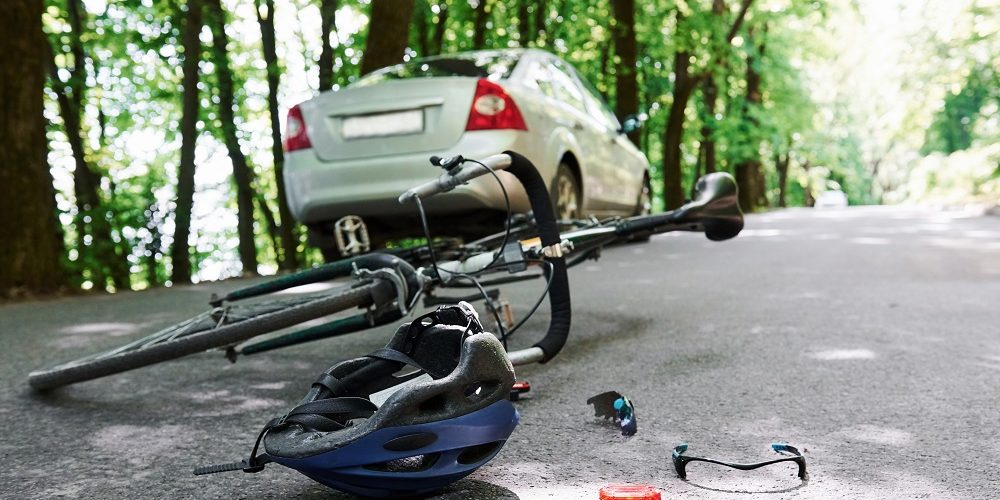
When a cyclist is struck by a motor vehicle, the injuries can be severe: broken bones, traumatic brain injuries, spinal damage, or worse. Beyond the medical concerns, injured cyclists face a difficult legal issue: proving that the driver’s negligence caused the collision.
Unlike accidents between two vehicles, bicycle-versus-car cases often involve disputed facts and assumptions about cyclist behavior. Drivers and insurance companies may argue that the cyclist was at fault, even when the evidence suggests otherwise.
Proving negligence takes more than showing a collision occurred. You need to demonstrate that the driver owed a duty of care, breached that duty through careless or reckless behavior, and directly caused your injuries as a result. Lukov Injury Law LLC helps injured cyclists build strong negligence claims by gathering evidence, reviewing traffic laws, and holding at-fault drivers accountable.
Contact us for a free consultation to discuss your rights under Louisiana law.
Driver negligence in bicycle strike cases is evaluated under the same tort law principles that govern all personal injury claims. Negligence consists of four elements:
Louisiana traffic laws impose specific duties on motorists that, when violated, can establish negligence per se, meaning the violation itself proves negligence without additional evidence. Common breaches include:
 Three-foot passing clearance: Failing to maintain at least three feet when passing cyclists, as called for under Louisiana Revised Statute 32:76.1 (the Colin Goodier Protection Act)
Without documented damages, there is no basis for compensation regardless of how negligent the driver was. Keep records of all injury-related costs and how the accident has affected your daily life.
The collision scene contains information that degrades or disappears within hours or days. If you are physically able after the accident, or if someone can assist you, document as much as possible before leaving the scene.
Your damaged bicycle is key evidence. The type and location of damage can show the vehicle’s position and movement at impact. A rear-end collision leaves different damage patterns than a side-impact strike. Do not repair or discard the bicycle. Preserve torn or bloodied clothing and safety gear, as these items demonstrate impact severity and injury locations.
If pieces of the vehicle broke off during the collision, photograph them in place and keep them as evidence. These remnants can help identify the vehicle type and trace it to a specific owner.
Potholes, inadequate shoulder width, obstructed sight lines, or missing signage might contribute to the accident or affect liability allocation. Document these conditions because road maintenance entities sometimes share responsibility for dangerous conditions that caused or contributed to the collision.
Eyewitness testimony can prove or disprove driver negligence, especially when the driver disputes fault or claims the cyclist caused the accident. Independent witnesses carry particular credibility because they have no financial or personal stake in the outcome.
After the collision, identify everyone present and collect their contact information. Ask witnesses to describe what they saw in their own words while memories remain fresh. Details like the color of a traffic signal, whether turn signals were activated, approximate vehicle speed, or whether the driver appeared distracted can fade quickly.
Witness accounts often reveal details you could not observe as the victim. A witness might testify that the driver was looking down at a phone before the collision, ran a stop sign at full speed without braking, or swerved across bike lanes without signaling. These observations directly establish breach of duty and counter driver claims that you suddenly veered into traffic.
Store employees, delivery drivers, or construction workers near the accident location may have seen the collision or dangerous driving patterns at that spot. If surveillance cameras from nearby businesses, traffic cameras, or doorbell cameras captured the incident, identify those sources quickly and request that footage be preserved before automatic deletion occurs. Many systems overwrite footage within 30 to 90 days.
Police reports serve as official records of the accident and carry weight with insurance companies and courts, though they are not automatically conclusive.
A police report may include:
 Statements from the driver, cyclist, and witnesses
If the report cites the driver for specific violations, such as failure to yield, improper lane usage, or driving under the influence, this creates a strong presumption of negligence. Louisiana Revised Statutes contain numerous traffic regulations that establish duties owed by motorists to cyclists, and violations of these statutes can constitute negligence per se.
Police reports can contain errors or incomplete information. Officers arrive after the collision when evidence has been disturbed and rely on driver statements that may be self-serving or inaccurate. If you were transported to a hospital by ambulance, the officer may only have the driver’s version of events.
Do not rely on the police investigation alone. Conduct your own evidence gathering even when police complete a report. Negligence can still be proven even if no citation is issued. Many negligent behaviors, like momentary inattention or misjudging distances, do not result in traffic citations but still constitute breaches of the duty of reasonable care.
Complex bicycle strike cases often call for professional testimony to explain technical matters beyond common knowledge.
These professionals use skid mark measurements, vehicle damage patterns, debris distribution, road geometry, and physical laws of motion to recreate the collision sequence. They calculate vehicle speeds based on damage severity, evaluate whether the driver maintained proper lookout, and determine whether the driver could have avoided the collision through reasonable care.
If the driver claims they did not see you before the collision, a reconstruction analyst can evaluate whether your position made you visible to an attentive driver. If the driver claims you suddenly swerved into their path, the analyst can assess whether the physical evidence supports or contradicts that account.
Biomechanical engineers examine injury patterns to confirm they are consistent with the collision as described. If the driver claims a low-speed impact, but your injuries are typical of a high-speed collision, this testimony can expose inconsistencies. Medical professionals link your injuries directly to collision forces, countering insurance company arguments that pre-existing conditions or later events caused your damages.
Cycling professionals can testify about proper bicycle operation, traffic positioning strategies, and whether your conduct aligned with accepted cycling practices. When drivers claim cyclists behaved erratically, these professionals explain that your road positioning was reasonable under the circumstances.
Economists calculate future damages, including lost earning capacity, ongoing medical needs, and home modifications for permanent disabilities. Serious bicycle injuries often result in long-term impairments that call for lifetime accommodations and care.
As of January 1, 2026, Louisiana follows a modified comparative fault system with a 51% bar to recovery under Louisiana Civil Code Article 2323. If you are found 51% or more at fault for the accident, you cannot recover any compensation. If your fault is 50% or less, your compensation is reduced by your percentage of fault.
For example, if the driver ran a red light but you were riding without lights after dark, the jury might assign you 20% fault and the driver 80% fault. If your total damages are $200,000, you would recover $160,000. But if the jury finds you 51% or more at fault, you recover nothing.
 Insurance adjusters often argue that cyclists contributed to the collision through actions like:
Under this system, insurers have a strong incentive to push your fault percentage above 50%, since crossing that threshold eliminates their liability entirely.
Evidence that can counter these arguments includes witness testimony, video footage from helmet cameras or nearby surveillance systems, and proof of lawful cycling behavior at the time of the collision. Testimony showing the driver’s violation was the sole cause of the accident, such as evidence that the driver did not look before turning, can reduce or eliminate your assigned fault.
Do not accept fault assertions at face value. Ask for the evidence supporting the insurer’s claims and present contrary evidence establishing the driver’s responsibility.
Proving driver negligence in bicycle strike cases takes careful documentation and evidence gathering. Physical evidence, witness statements, police reports, traffic law violations, and professional testimony work together to show how the driver’s actions caused the cyclist’s injuries.
Under Louisiana’s modified comparative fault system, you can still recover compensation when you share some responsibility, but keeping your fault percentage below 51% is the difference between recovering damages and recovering nothing. Acting early to preserve evidence and identify witnesses strengthens your position.
Lukov Injury Law LLC can evaluate the evidence in your case, identify the strongest arguments for driver fault, and handle negotiations with insurance companies on your behalf. Call us today for a free consultation.
Seek medical attention first, even if injuries seem minor. Adrenaline can mask pain, and some serious injuries are not apparent right away. Call police so the accident is officially documented. Collect the driver’s contact and insurance information, along with contact details for any witnesses.
Take photos of the scene from multiple angles, including vehicle damage, your bicycle, visible injuries, traffic signs, and road conditions. Avoid admitting fault or apologizing, as these statements may be used against you later. Report the accident to your insurance company and consult an attorney before providing detailed statements to the driver’s insurer.
Yes. Louisiana does not have a statewide helmet law for adult cyclists (only children under 12 are covered under RS 32:199), so not wearing one does not bar recovery or establish negligence on your part. Insurance companies may argue that helmet use could have reduced head injury severity, which could affect compensation related to those specific injuries under comparative fault principles.
Helmet use does not affect claims for other injuries, such as broken bones or soft tissue damage. The driver’s negligence remains the primary cause of the collision regardless of helmet use.
Louisiana allows two years from the date of the accident to file a personal injury lawsuit, including bicycle accident claims, under Louisiana Civil Code Article 3493.11 (effective July 1, 2024). This deadline is strictly enforced, and missing it can bar your claim entirely.
Some limited exceptions may apply, such as claims involving government entities or injuries discovered later, but these situations often have additional notice periods. Evidence and witness memories can fade quickly, so seek legal guidance as soon as possible.
Louisiana asks drivers to carry minimum liability insurance, but many motorists drive uninsured or underinsured. Your own uninsured/underinsured motorist (UM/UIM) coverage can provide compensation when the at-fault driver lacks adequate insurance. These provisions cover you even when you are cycling rather than driving.
Review your auto insurance policy to confirm available coverage. If you do not own a vehicle, a family member’s UM coverage in your household may extend to you. If the driver was working when the accident occurred, their employer may also share responsibility.
Case value depends on injury severity, medical costs, lost income, permanent disabilities, pain and suffering, and how clearly the evidence shows the driver was at fault. Economic damages are calculated from documented expenses and projections for future care costs.
Non-economic damages address pain, suffering, and reduced quality of life. Each case is evaluated individually based on the available evidence.
Initial offers are often much lower than the full value of a claim. Insurance companies may make early offers before the extent of injuries or future medical needs is fully known. These offers rarely account for future medical needs, permanent impairments, or the full scope of economic losses.
Once a settlement is accepted and a release is signed, additional compensation cannot be pursued, even if injuries worsen. Understand the full impact of the accident before agreeing to any settlement. An attorney can evaluate your damages and negotiate on your behalf.