Licensed in Louisiana, Texas, and Arkansas
Licensed in Louisiana, Texas, and Arkansas
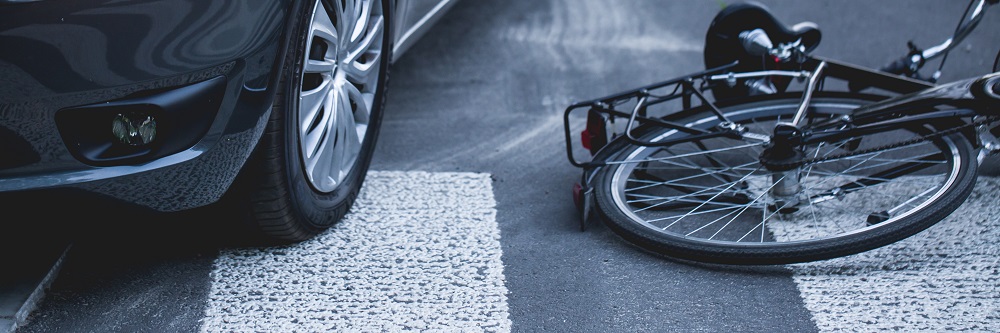
A vehicle strikes your bicycle and speeds away, leaving you to deal with injuries, a damaged bike, and shock. Hit-and-run bicycle accidents create a unique legal challenge because the at-fault driver has fled the scene. That makes it hard to identify who should pay for your medical bills, lost wages, and pain and suffering.
Louisiana law provides several pathways to recover compensation even when the driver cannot be identified or located. Lukov Injury Law LLC helps clients navigate these options, from uninsured motorist coverage to state victim compensation programs. You have more options than you might realize.
The key is understanding which options apply to your situation and acting quickly to preserve evidence and meet deadlines. If you’ve been injured in a hit-and-run bicycle accident in Louisiana, contact us now for a free consultation to discuss your legal rights and develop a strategy tailored to your circumstances.
Uninsured motorist (UM) coverage is your primary protection when a hit-and-run driver cannot be identified or located. In Louisiana, this coverage is mandatory on all auto insurance policies unless you reject it in writing.
Many cyclists don’t realize that UM coverage extends to accidents that happen while riding a bicycle, even though you’re not in a vehicle at the time of the crash. Your auto insurance policy’s UM coverage will respond to a hit-and-run bicycle accident as if the fleeing driver had no insurance.
 This means you can file a claim with your insurance company to recover damages for:
Coverage limits depend on what you selected when purchasing your policy. Louisiana sets minimums at $15,000 per person and $30,000 per accident, though higher limits provide more protection.
If you don’t own a vehicle or carry auto insurance, you may still have options. You can file a claim under the UM coverage of a family member in your household, such as a parent or spouse. If you were riding your bicycle for work when the accident occurred, your employer’s commercial auto policy might provide coverage.
Because determining which policy applies can be complicated, it’s important to review all available insurance policies with an attorney who can identify every potential source of recovery.
Some insurance companies try to deny UM claims for bicycle accidents by arguing that coverage only applies to vehicle occupants. Louisiana courts have rejected this narrow interpretation.
Courts recognize that UM coverage protects policyholders from uninsured drivers regardless of whether the policyholder was in a vehicle at the time of the accident. If your insurer denies your claim on this basis, you have grounds to challenge that denial through negotiation or litigation.
The actions you take in the minutes and hours after a hit-and-run bicycle accident directly impact your ability to recover compensation.
First, move out of traffic if possible and call 911 to report the accident and request medical help. Even if you don’t feel seriously injured, adrenaline can mask pain and symptoms. Getting evaluated by emergency medical personnel right away creates a medical record that documents your injuries after the crash.
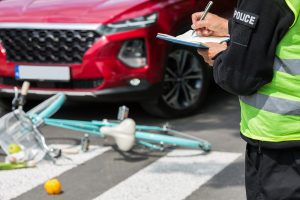 Share Details With Police
Provide officers with every detail you can remember about the vehicle that struck you:
Get contact information from anyone who saw the collision or the vehicle leaving the scene. Witness statements and testimony can play a key role in identifying the driver or supporting your insurance claim.
Use your phone camera to photograph the accident scene. Capture your bicycle damage from multiple angles, your visible injuries, road conditions, traffic signs, skid marks, debris, and the exact location of the collision.
If pieces of the vehicle broke off during the impact, such as a mirror, paint chips, or plastic fragments, photograph them in place and preserve them as evidence. These remnants can help law enforcement identify the vehicle type and sometimes trace it to a specific owner.
Seek medical treatment within 24 hours, even if emergency responders cleared you at the scene. Many serious injuries, like concussions, internal bleeding, and soft tissue damage, don’t produce immediate symptoms but worsen over time.
Delaying medical care allows insurance companies to argue that the accident did not cause your injuries or that they are not as severe as you claim. Follow through with all recommended treatment, attend every appointment, and keep records of your medical expenses and how your injuries affect your daily life.
Law enforcement plays a critical role in identifying hit-and-run drivers. When you report a hit-and-run bicycle accident, officers will create a police report documenting your statement, witness accounts, physical evidence, and their findings. This report becomes a key piece of evidence for both criminal prosecution and your civil claim.
Police use various techniques to track down hit-and-run drivers:
Louisiana law makes leaving the scene of an accident involving injury a criminal offense, with penalties ranging from fines to imprisonment. When law enforcement identifies the driver, it strengthens your civil case because the driver’s flight demonstrates consciousness of guilt and liability.
Law enforcement focuses on criminal prosecution rather than your civil recovery, and their resources are limited. Hiring a private investigator through your attorney can supplement police efforts by conducting independent witness interviews, canvassing for surveillance footage police might have missed, and following up on leads.
Louisiana operates a Crime Victims Reparations Board that provides financial assistance to victims of violent crimes, including hit-and-run accidents. This state-funded program offers compensation when other sources are unavailable or not enough to cover your losses.
The board considers claims for the following expenses:
The program won’t cover pain and suffering or property damage to your bicycle.
To qualify, you need to meet these conditions:
Maximum awards vary by category of loss, with total compensation capped at levels set by state statute. While these amounts won’t make you whole after a serious bicycle accident, they provide meaningful financial relief when you’re facing mounting medical bills and can’t work due to your injuries.
As of January 1, 2026, Louisiana follows a modified comparative fault system with a 51% bar to recovery. If you are found 51% or more at fault for the accident, you cannot recover any compensation. If your fault is 50% or less, your compensation is reduced by your percentage of fault. This rule applies even in hit-and-run cases where the other driver cannot be located.
Insurance adjusters often argue that cyclists contributed to the collision through actions like:
 If the insurance company proves you were 20% at fault, your compensation drops by 20%. For example, if your total damages equal $100,000, you would recover only $80,000. If they prove you were 51% or more at fault, you would recover nothing.
Under this system, insurers have a strong incentive to push your fault percentage above 50%, since crossing that threshold eliminates their liability entirely. This makes it critical to build a strong case showing the hit-and-run driver’s fault for the collision.
Louisiana law expects motorists to exercise heightened care around vulnerable road users like cyclists. Courts recognize that bicycles have the same right to use public roads as motor vehicles.
When a motorist strikes a cyclist and then flees, that flight suggests consciousness of wrongdoing. Your attorney can argue that the driver’s gross negligence in striking you and fleeing makes them substantially or entirely at fault for your injuries.
When law enforcement identifies a hit-and-run driver weeks or months after your bicycle accident, it opens additional avenues for compensation. You can pursue a direct claim against the driver and their auto insurance policy, which typically provides higher coverage limits than uninsured motorist policies.
Identifying the driver also allows you to file a lawsuit for all damages exceeding their insurance coverage limits, including medical expenses, lost wages, pain and suffering, permanent disability, and property damage.
If the driver was intoxicated, Louisiana law permits exemplary damages under Civil Code Article 2315.4, which are designed to punish the wrongdoer and deter similar conduct.
If you already received payment through your own UM coverage before the driver was identified, your insurance company has subrogation rights. This means they can pursue the at-fault driver for reimbursement. This doesn’t prevent you from pursuing additional compensation for damages that exceeded your UM coverage limits.
A criminal conviction for leaving the scene can be used as evidence in your civil case to establish liability. You cannot wait for criminal proceedings to conclude before filing your civil claim. The statute of limitations continues running regardless of the criminal case timeline.
The complexity of hit-and-run bicycle accident cases makes early attorney involvement important. Insurance companies employ adjusters and lawyers whose job is to minimize payouts, and without legal representation, you’re at a disadvantage in negotiations.
 A personal injury attorney familiar with hit-and-run cases can:
Most personal injury attorneys work on contingency, meaning you pay no fees unless they recover compensation for you.
Whether you’re filing a UM claim, applying to the Crime Victims Reparations Board, or working to identify the driver who hit you, each option has its own deadlines and requirements. Waiting too long can close doors that are open to you right now. The sooner you act, the stronger your position.
Lukov Injury Law LLC can review the details of your accident, identify every available source of compensation, and handle the process so you can focus on healing. Call us today for a free consultation.
Disclaimer: This article provides general information and should not be treated as legal advice. Laws change over time, and outcomes depend on the specific facts of each case. No attorney-client relationship is created by reading this article or contacting Lukov Injury Law LLC. For advice about your situation, contact a qualified attorney. Time limits apply to legal claims, so do not delay in seeking legal help.
Yes, your health insurance will cover medical treatment for injuries from a hit-and-run bicycle accident. Health insurance companies have subrogation rights, meaning they can seek reimbursement from any settlement or judgment you receive. Your attorney can negotiate with health insurers to reduce these liens, allowing you to keep more of your recovery.
You can still recover compensation through several avenues. A family member’s uninsured motorist coverage may extend to you as a household member. The Louisiana Crime Victims Reparations Board provides compensation regardless of whether you have insurance. If the hit-and-run driver is identified, you can pursue their insurance and personal assets directly.
Leaving the scene of an accident involving injury is a crime regardless of fault. For your civil claim, Louisiana’s modified comparative fault rules still apply. If evidence shows you were 51% or more at fault, you cannot recover any compensation. If your fault is 50% or less, your compensation will be reduced by your percentage of fault. The driver’s flight may suggest consciousness of guilt, but it doesn’t automatically establish fault for the collision itself.
Investigation duration varies based on the severity of injuries, availability of evidence, and department resources. Some hit-and-run drivers are identified within days through witness information or surveillance footage, while others remain unidentified despite months of investigation. You should supplement police efforts with a private investigation through your attorney.
Property owners don’t have liability for hit-and-run accidents on their premises unless specific circumstances apply, such as inadequate lighting or dangerous property conditions that contributed to the accident. If the property owner has surveillance footage but refuses to provide it, your attorney can compel production through legal action.
You can pursue underinsured motorist (UIM) coverage if you purchased it. If the hit-and-run driver is identified and has insurance, you can seek compensation from their policy. You might also stack UM/UIM coverage from multiple policies if you or household members own multiple vehicles. The Louisiana Crime Victims Reparations Board provides additional compensation for certain expenses.