Licensed in Louisiana, Texas, and Arkansas
Licensed in Louisiana, Texas, and Arkansas

Dog bite cases generally take anywhere from a few months to over a year to resolve, with many settling within one to three months. The timeline depends heavily on injury severity, insurance negotiations, and whether a lawsuit is required, with more complex cases potentially taking years.
Most dog bite cases in Louisiana take 3 to 18 months to resolve. Complex cases can stretch beyond two years. The timeline depends on how serious your injuries are, how long treatment takes, how the insurance company responds, and whether your case settles or goes to trial.
Simple cases with minor injuries and clear liability can resolve in a matter of months. Severe cases involving surgery, ongoing care, or litigation take considerably longer. No two cases follow the same path.
A dog attack leaves more than physical injuries. While you focus on healing, questions about your case and your finances add real pressure. Knowing what drives your timeline helps you plan, set realistic expectations, and make informed decisions. At Lukov Injury Law LLC, Abby works to move cases forward as quickly as possible while protecting your right to fair compensation.
The investigation phase lasts 2 to 6 weeks. During this time, your attorney builds the foundation of your case by collecting medical records, injury photographs, witness statements, and the dog’s history. Everything gathered here drives all negotiations and legal action that follows.
The moment you contact an attorney, work begins. Abby documents where the attack happened, who owned the dog, whether the animal had a history of aggression, and what treatment you have received. She photographs your injuries at multiple stages of healing, pulls animal control reports, and speaks with witnesses. This documentation matters most when insurers try to downplay your injuries or dispute liability.
Not all homeowners policies cover dog bites. Some exclude specific breeds or cap coverage. Identifying what insurance exists early on determines where compensation can come from. Under Louisiana Civil Code Article 2321, a dog owner can be held liable when the dog posed an unreasonable risk of harm, the owner knew or should have known about that risk, and the owner failed to take reasonable steps to prevent the attack.
Your attorney may bring in investigators to find out whether the dog had attacked before or if the owner violated leash laws. Prior incidents are significant. They show the owner knew the dog was a danger and failed to act. That evidence pays off when building a strong case for fair compensation.

Settlement talks should not start until you reach maximum medical improvement (MMI). That is the point where your condition has stabilized and doctors can assess the full extent of your injuries. Depending on severity, reaching MMI can take 3 to 12 months or longer. Settling too early means accepting compensation that may not cover future surgeries, therapy, or ongoing care.
Dog bites often cause more damage than they first appear to. A wound that looks minor could involve nerve damage, deep tissue injury, or infection requiring months of treatment. Facial injuries may need several reconstructive surgeries spread over time. In severe cases, traumatic brain injuries can also result from the force of an attack, adding further complexity to treatment and case value. Children who are attacked sometimes develop PTSD, requiring therapy that continues long after physical healing is complete.
Insurance companies know this. They frequently pressure victims to settle fast, counting on financial stress to make a lowball offer look appealing. Abby protects you from that by making certain all medical evaluations are complete before any settlement is discussed. She also works with medical professionals who can project your future treatment costs so nothing gets left out.
Throughout your treatment, every appointment, prescription, therapy session, and out-of-pocket expense needs to be documented. Careful records strengthen your claim and take away the insurer’s ability to dispute what you went through. Waiting for medical clarity adds time to your case, but it is key to getting compensation that actually covers your needs.
After your attorney sends a demand letter, insurers have 30 to 90 days to investigate and respond. Some move quickly. Others drag their feet for months. Uncooperative insurers can push your overall timeline back by six months or more.
Some insurers review claims promptly and make reasonable offers. Others use delay on purpose. They request redundant documents, question medical bills, and make offer after low offer, hoping you get desperate enough to accept less than you are entitled to. Each back-and-forth round adds weeks or months to your case.
When an insurer unreasonably denies a valid claim or refuses to negotiate fairly, that is bad faith. In those situations, your attorney may need to file suit against the insurance carrier, not just the dog owner. It adds time and complexity, but it may be the only way to recover fair compensation.
If your damages exceed the policy limit, your attorney must look beyond it. That could mean the dog owner’s personal assets, an umbrella policy, or other liable parties. This takes additional time to investigate, but it confirms every available option has been explored before your case closes.

If settlement talks stall, filing a lawsuit becomes the next step. This usually happens 6 to 12 months after the initial claim when insurers refuse to negotiate reasonably. Once filed, the litigation process adds 12 to 24 months to your timeline. That said, many cases settle during litigation and never reach trial.
Filing a lawsuit changes the dynamic. The insurer now faces legal defense costs and the risk of a jury awarding more than any settlement they offered. That pressure often moves things forward.
After filing, both sides enter discovery. They exchange documents, take depositions, and gather sworn testimony. This phase alone takes 6 to 12 months. Your attorney may depose the dog owner, veterinarians, and medical professionals. The other side will do the same.
Many courts also require mediation before trial. A neutral mediator works with both sides to reach a resolution. Mediation often happens 12 to 18 months after filing. If it fails, the case heads to trial. Even then, most cases settle once a trial date is set. The closer the date gets, the more motivated insurers become to resolve things.
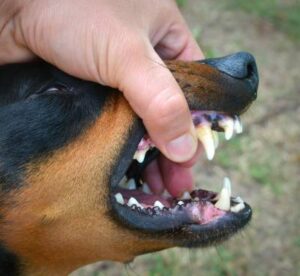
The more serious your injuries, the longer your case takes. Severe injuries can push timelines to 18 to 36 months. That is because complex injuries need detailed medical documentation, specialist evaluations, and sometimes a full life-care plan to project what future treatment will cost.
Minor bites with superficial wounds and a short recovery are the exception. Those cases are more straightforward and can settle in 3 to 6 months. The damages are clear, the treatment is finished, and both sides can reach an agreement relatively quickly.
Severe attacks are different. Facial injuries requiring multiple reconstructive surgeries cannot be valued until treatment is complete. Hand injuries affecting tendons or nerves may leave permanent limitations. Those cases require vocational professionals to calculate lost earning capacity alongside long-term medical costs.
Children’s cases add another layer. Permanent scarring or disability in a child has decades of impact on their development, education, and future earning potential. Pediatric specialists, child psychologists, and sometimes educational consultants are needed to project the full scope of damages. In the most tragic cases, a dog attack can result in death, which brings a wrongful death claim with its own distinct legal process and timeline.
When permanent disability is involved, your attorney builds a life-care plan. This document maps out every future medical need, piece of equipment, therapy requirement, and assistance cost. It takes time to prepare, but it is what makes fair long-term compensation possible.
Some cases hit roadblocks that add weeks or months to resolution. Here are the most common ones:
The attorney you choose has a direct impact on how long your case takes and what you recover. Abby at Lukov Injury Law LLC handles dog bite cases regularly, which means she knows what evidence matters, which professionals to call on, and when to push versus when to wait.
Dog bite cases do not follow a fixed schedule. Some resolve in a few months. Others take years. What determines the outcome is how well your case is built, how the insurance company behaves, and how prepared your attorney is to fight when necessary.
Your job is to focus on healing. Let your attorney handle the legal strategy, the documentation, and the negotiations. Every step, even the slower ones, is building toward compensation that reflects what you actually went through.
When you are ready to talk, contact Lukov Injury Law LLC today for a free consultation.
In Louisiana, the prescriptive period for personal injury claims, including dog bites, is two years from the date of injury (La. C.C. Art. 3493.11, effective July 1, 2024). Missing that deadline means losing your right to file, regardless of the strength of your case. Deadlines differ in Texas and Arkansas. Contact an attorney as soon as possible after an attack to protect your options.
Lukov Injury Law LLC works on contingency, meaning no upfront fees. Your attorney may also arrange medical treatment on a lien basis, where your providers agree to wait for payment until the case resolves. Full compensation comes at settlement or after a verdict.
Options still exist. Your attorney looks at your own homeowner’s or renter’s insurance, umbrella policies, or whether any other party shares liability. If a judgment is obtained, future collection may be possible if the defendant’s financial situation changes. Recovery is not guaranteed in every situation, but every option gets explored.
Trial adds 12 to 18 months beyond the initial filing. Most cases settle before getting there. But when they don’t, the court schedule, opposing counsel, and case complexity all affect how long it takes to get to a courtroom. Your attorney evaluates whether the potential trial outcome justifies the added time compared to what is being offered.
Courts take extra care reviewing settlements that involve minors. Many jurisdictions require court approval before a minor’s case can be finalized, which adds steps to the process. Long-term developmental impacts also take more time to assess. Some states extend filing deadlines for minors as well. All of these factors can stretch the timeline compared to an adult’s case.
Disclaimer: This article provides general information and should not be treated as legal advice. Laws change over time, and outcomes depend on the specific facts of each case. No attorney-client relationship is created by reading this article or contacting Lukov Injury Law LLC. For advice about your situation, contact a qualified attorney. Time limits apply to legal claims, so do not delay in seeking legal help.