Licensed in Louisiana, Texas, and Arkansas
Licensed in Louisiana, Texas, and Arkansas

Proving owner liability in a dog bite case in Lousiana means showing the owner knew or should have known their dog was dangerous or establishing liability under your state’s dog bite law. Prior bite history, witness statements, veterinary records, and documentation of the attack all form the foundation of a strong claim.
Dog bites cause approximately 4.5 million injuries annually in the United States, with about 885,000 requiring medical attention. Behind those numbers are real people dealing with physical trauma, emotional distress, and mounting medical bills. The legal rules vary by state, so understanding the burden of proof and the right evidence to collect is important from the start.
Dog owners and their insurers often push back, claiming the pet “has never done this before” or that the victim provoked the attack. Cutting through those defenses takes solid evidence and a clear grasp of your state’s legal framework. At Lukov Injury Law LLC, Abby builds cases that hold negligent owners accountable and pursues fair compensation for her clients.
Contact us today for a free consultation.
Dog owner liability follows three legal frameworks: strict liability, the one-bite rule, and negligence. Which standard applies in your state determines what evidence you need.

Strict liability holds owners responsible regardless of the dog’s history. You do not need to prove the owner knew the dog was dangerous. You only need to show the dog bit you, you were lawfully present, and you did not provoke the attack.
Louisiana uses a modified strict liability rule under Civil Code Article 2321. To hold an owner liable, you must show the dog posed an unreasonable risk of harm, the owner knew or should have known about that risk, and the owner failed to take reasonable steps to prevent the attack. Provocation and trespassing are the two main defenses that can reduce or eliminate liability.
States following the one-bite rule, including Texas and Virginia, require proof the owner had prior knowledge of the dog’s danger. That knowledge can come from a previous bite, aggressive behavior witnessed by others, or other warning signs. The “one-bite” label is misleading. Evidence of growling, lunging, or snapping can satisfy the knowledge requirement even without a prior bite on record.
Negligence offers an alternative path in any jurisdiction. You show the owner failed to exercise reasonable care, such as allowing the dog to roam unleashed or failing to secure a gate when they knew the dog was aggressive. This requires proving both the failure to act and that it directly caused your injuries.
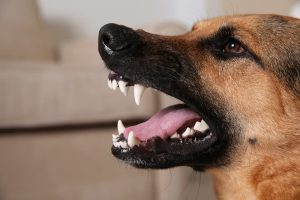
Prior bite history is the strongest evidence that an owner knew their dog posed a danger. Records of previous attacks, animal control complaints, or documented aggressive incidents counter the defense that the attack was unforeseeable.
Request animal control records for the dog and the owner’s address. Many jurisdictions maintain databases of reported bites, aggressive dog complaints, and dangerous animal designations. A single prior bite report can establish liability even in one-bite states. Multiple complaints, even without bites, show a pattern the owner chose to ignore.
Veterinary records sometimes contain notes about aggressive tendencies, especially if the dog required sedation for exams or if the vet warned the owner about behavioral concerns. These records show the owner knew of the risks and kept the animal anyway.
Neighbors and homeowners’ association records can reveal incidents that were never officially reported. Many attacks go unreported, but neighbors often remember aggressive encounters. Collect statements from area residents while memories are fresh.
Posts describing the dog as “protective,” “not good with strangers,” or requiring special handling are admissions the owner understood the dog’s aggressive nature. Screenshots preserved with dates can support your claim.
The hours after a dog attack are your best window to preserve evidence. Act fast. Details fade, and physical evidence disappears.
Medical records create an objective link between the attack and your damages. They also make it harder for insurers to argue your injuries were minor or unrelated to the bite.
ER records capture your injuries at their worst. Physicians document the number, depth, and location of bite wounds, bone or tendon damage, infection risk, and initial treatment. These records carry more weight than descriptions given weeks later because they capture the trauma before healing begins.
Follow-up records show the ongoing impact of your injuries. Antibiotics for infection, surgery for wound closure, physical therapy, and psychological counseling all demonstrate lasting harm. The treatment progression shows whether you recovered normally or faced complications.
Plastic surgeons document scarring and disfigurement, neurologists assess nerve damage, and mental health professionals diagnose PTSD or anxiety disorders. In serious cases, traumatic brain injuries can result from the force of an attack and require specialist documentation. Expert opinions establish that your injuries go beyond surface wounds.
When doctors recommend future procedures like scar revision surgery or ongoing psychological care, those opinions support claims for damages that extend years beyond the attack. Bills and physician recommendations together quantify the full economic impact of your injuries.

Animal control reports are official government records created by trained professionals with no stake in the outcome. They document the attack, the circumstances, and sometimes a formal determination about the dog’s danger level, all of which carry real weight in a claim.
File a report right away, even if the owner asks you not to. The investigating officer interviews all parties while memories are fresh, inspects the property, photographs the dog, and documents conditions that contributed to the attack. Their independent findings corroborate your account and may surface issues you missed.
Officers often issue citations for violations like allowing a dog to run loose, failure to vaccinate, or keeping a dangerous animal without proper precautions. In many states, such violations constitute negligence per se. In Louisiana, courts treat ordinance violations as evidence of irresponsible ownership rather than automatic proof of negligence. Either way, a citation strengthens your case.
When animal control designates a dog as dangerous and imposes restrictions, that official finding supports your claim the dog posed a known risk. If the owner failed to comply with those requirements before your attack, it points to particularly serious negligence.
Animal control maintains records for specific addresses and dogs. Requesting that history may reveal prior complaints, attacks, or citations you were unaware of, establishing a pattern the owner failed to address.
Disproving provocation matters in every state. In Louisiana, provocation is a complete bar to recovery. If the owner proves it, you collect nothing. You need to show you were engaged in lawful activity and did nothing to trigger the dog’s response.
Independent observers who saw the full incident can confirm you weren’t teasing, hitting, or threatening the dog. Multiple consistent statements from witnesses with no connection to either party create a credible account that is hard to challenge.
Footage from security cameras, doorbell cameras, or bystander phones is objective proof. Video showing you walking, standing, or simply present in a place you had a right to be removes provocation as a viable defense.
Animal behaviorists can explain that routine, non-threatening activities do not constitute legal provocation and that a properly socialized dog should not respond aggressively to normal human behavior. This matters in Louisiana especially, where courts have found that even unintentional actions can qualify as provocation depending on the circumstances.
Defensive wounds on hands or arms suggest you were shielding yourself from an unprovoked attack. Bites to the back, legs, or torso indicate the dog attacked rather than defended. A sustained attack with multiple bites points to aggression beyond any reasonable defensive response.
Evidence of negligent ownership goes beyond the attack itself. Failures in supervision, containment, and general responsibility all show that reasonable care could have prevented your injuries.
Building a strong liability case means acting quickly, collecting the right evidence, and understanding the legal standard in your state. In Louisiana, that means satisfying the modified strict liability framework under Article 2321. In one-bite states, it means establishing the owner’s prior knowledge.
Insurance companies and dog owners routinely deny responsibility, claim provocation, or argue the dog had no history of aggression. Countering those defenses requires both speed and preparation.
Do not accept an early settlement offer before you understand the full extent of your injuries. Adjusters count on victims settling quickly for less than their case is worth. Call Lukov Injury Law LLC at 319-GET-ABBY for a free consultation to learn how Abby can help you build a strong claim and pursue the compensation you are entitled to.
Yes, as long as you were lawfully present. This covers guests, mail carriers, delivery drivers, utility workers, and anyone else with a legal right to be there. If you were trespassing at the time, your claim may be limited or barred depending on your state’s laws.
In Louisiana, the prescriptive period is two years from the date of injury (La. C.C. Art. 3493.11, effective July 1, 2024). Miss that deadline and you lose your right to file, regardless of how strong your case is. Deadlines differ in Texas and Arkansas, so contact an attorney as soon as possible after any attack.
In Louisiana and other modified strict liability states, a clean bite history does not protect the owner. What matters is whether the dog posed an unreasonable risk and whether the attack was preventable. In one-bite states, evidence of growling, lunging, or snapping can establish the owner’s knowledge even without a prior bite on record.
Most homeowners’ and renters’ policies include liability coverage for dog bites, ranging from $100,000 to $300,000. Some insurers exclude certain breeds, impose conditions, or deny coverage when the owner had prior knowledge of aggression. An attorney can identify all available coverage and pursue compensation from every applicable source.
Victims can recover medical expenses, lost wages, future treatment costs, and non-economic damages for pain and suffering, emotional distress, scarring, and disfigurement. The total value depends on injury severity, permanency of scarring, psychological impact, and the strength of liability evidence. Note that Louisiana does not allow punitive damages in dog bite cases (La. Civ. Code Art. 3546).
Disclaimer: This article provides general information and should not be treated as legal advice. Laws change over time, and outcomes depend on the specific facts of each case. No attorney-client relationship is created by reading this article or contacting Lukov Injury Law LLC. For advice about your situation, contact a qualified attorney. Time limits apply to legal claims, so do not delay in seeking legal help.