
Licensed in Louisiana, Texas, and Arkansas
Licensed in Louisiana, Texas, and Arkansas
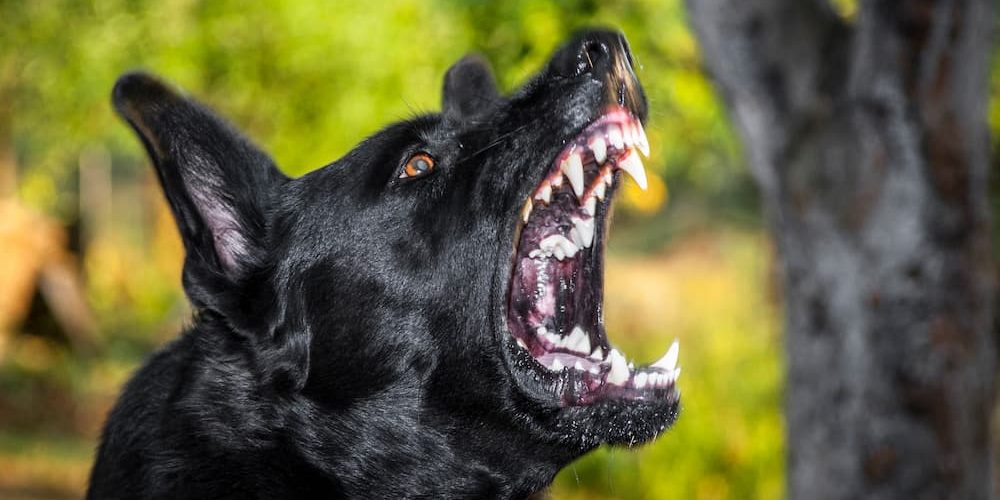
Dog ownership comes with responsibilities, especially when certain breeds are involved. Some breeds are often classified as dangerous due to size, strength, bite history, or historical purpose. This classification affects how owners manage, contain, and insure their pets.
Understanding the legal framework can help owners avoid liability and protect the public. If you’ve experienced a dog bite injury or face concerns as a dog owner, Lukov Injury Law LLC can help you understand your rights and responsibilities.
Contact us today for guidance!

Certain breeds are frequently listed as dangerous based on historical data, physical capabilities, and bite statistics:
Take note that breed alone does not predict behavior. Training, socialization, and individual temperament play significant roles. Visual identification is often inaccurate, with studies showing breed misidentification rates above 50% in shelters and animal control settings.
Dangerous dog laws vary by state and locality but typically fall into two categories:
Many areas now favor behavior-based definitions, which provide due process and focus on actual risk. Legal classifications often distinguish between:

Owners of dogs classified as dangerous face specific legal responsibilities:
Failing to follow these rules can result in fines, criminal charges, mandatory relinquishment of the dog, or restrictions on future ownership.

Legal responsibility often follows strict liability, meaning the owner may be held accountable regardless of prior behavior or knowledge of aggression. Some states still follow the “one bite rule,” allowing limited exceptions if the owner had no prior knowledge of aggression.
Key points:
Landlords and property owners can lawfully restrict certain breeds to reduce risk:
Landlords who know a tenant’s dog is aggressive may face premises liability if they fail to take reasonable precautions, especially in common areas.
Victims of dog attacks can pursue compensation through insurance claims or personal injury lawsuits.
Important steps include:
Compensation may cover:
Consulting an attorney promptly ensures proper documentation and maximizes recovery options.
Dog owners can minimize liability by:
Ownership of a dog classified as dangerous comes with heightened responsibilities, from containment and insurance to careful handling and legal compliance. For victims of dog attacks, knowing your rights and taking timely action is essential to secure medical and financial protection.
Whether you are a dog bite victim, a dog owner facing potential liability, or a property owner navigating breed restrictions, Lukov Injury Law LLC can help you understand your options and next steps.
Lawyer Abby provides practical, compassionate support, helping clients understand obligations, manage risk, and pursue recovery. Call us today to discuss your situation and protect your interests!
Yes, insurers can exclude certain breeds based on higher claim risk, and coverage isn’t guaranteed by law. Owners can shop for carriers that assess dogs individually or seek specialized insurance for restricted breeds.
Liability depends on local laws; many states reduce responsibility if the victim was trespassing, but owners cannot intentionally use dogs as traps. Dangerous dog classifications may still create liability even for trespassers, especially when children are involved.
The one bite rule requires proof that the owner knew the dog was aggressive before liability applies, while strict liability holds owners responsible for injuries regardless of prior behavior. Most states now follow strict liability statutes.
Yes, HOAs can restrict breeds through their governing documents if rules are reasonable, clear, and enforced consistently, but service animals must be accommodated under Fair Housing laws.
Penalties often include fines, impoundment or euthanasia, criminal charges, and restrictions on future dog ownership. Civil and criminal liability may increase if the dog causes injury.
Some jurisdictions allow removal after 1–3 years of good behavior, compliance with training, and no further incidents. Legal guidance can help navigate the reclassification process.
Disclaimer: This article provides general information about dangerous dog breeds and owner liability under various state and local laws. It is not intended as legal advice for any specific situation.
