Licensed in Louisiana, Texas, and Arkansas
Licensed in Louisiana, Texas, and Arkansas

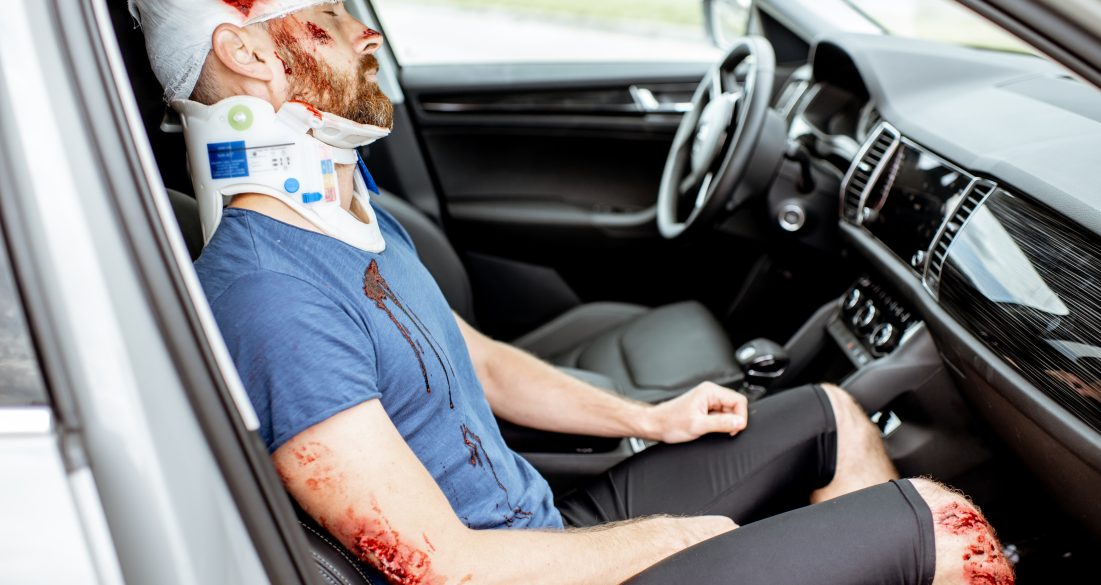
The main types of traumatic brain injuries are concussion, contusion, coup-contrecoup injury, diffuse axonal injury, and penetrating injury. Doctors also classify each as closed or penetrating and as mild, moderate, or severe. In Louisiana, where falls and motor vehicle crashes drive much of the harm, the type, location, and severity of a brain injury shape both recovery and the value of an injury claim.
A blow to the head is rarely just a bump, yet two head injuries from the same crash can look very different inside the skull. Doctors group traumatic brain injuries by how the damage happens, where it sits in the brain, and how severe it becomes.
At Lukov Injury Law, we help injured Louisianans and their families make sense of a brain injury diagnosis and pursue fair compensation. You work directly with Abby, not a case manager, from the first call through the final resolution.
This guide explains the main types of traumatic brain injuries, how they are classified, and why those distinctions affect a Louisiana injury claim. Contact us today to talk through a head injury in a free case review.
A traumatic brain injury, or TBI, happens when an outside force disrupts normal brain function. The damage can come from a bump, blow, jolt, or an object piercing the skull, and the effects range from temporary confusion to permanent disability.
 Brain injuries are far more frequent than many people realize. According to the Centers for Disease Control and Prevention (CDC), there were about 69,000 TBI-related deaths in the United States in 2021, which works out to roughly 190 deaths every day. Many more people survive with lasting effects that change how they work, move, and think. These numbers show why a head injury is treated as a serious medical event, not a minor inconvenience.
The way a brain injury happens often points to who may be responsible for it. The CDC identifies falls, firearm-related injury, motor vehicle crashes, and assault as leading causes of TBI nationwide. Falls lead the list for older adults, while motor vehicle crashes are a leading cause for people between the ages of 5 and 24. In Louisiana, road crashes and falls feed many of the head injuries that turn into car accident and premises claims.
Brain injuries do not strike every group at the same rate. The CDC reports that adults aged 75 and older account for a large share of TBI-related hospitalizations and deaths, partly because falls at that age cause more serious harm. Males are hospitalized for brain injuries at about twice the rate of females and die from them at a higher rate as well. Understanding who is most at risk helps families recognize when a head injury needs urgent attention.
Doctors do not describe a brain injury with a single label. They look at how the force reached the brain, whether the skull stayed intact, and how badly brain function was disrupted, and each of those questions leads to a different category.
 The first distinction is whether the skull was breached. A closed brain injury happens when the head is struck or shaken, but no object enters the skull, which is the pattern in most falls and crashes. A penetrating, or open, brain injury happens when an object such as a bullet or piece of debris pierces the skull and reaches brain tissue. The two types raise different medical and legal questions, even when they share a single cause.
A second distinction separates the immediate harm from what follows. Primary injury is the damage done at the moment of impact, such as a torn blood vessel or bruised tissue. Secondary injury develops over the hours and days afterward, as swelling, bleeding, or reduced oxygen cause further harm. This is one reason doctors watch a head-injury patient closely after the initial event, and why prompt care can matter so much.
Severity is the third axis doctors use. Medical teams grade a brain injury as mild, moderate, or severe using clinical tools such as the Glasgow Coma Scale, which measures responsiveness after the injury. A concussion is generally classified as a mild TBI, while injuries involving extended loss of consciousness or major brain damage fall into the moderate and severe range. Because severity affects treatment and long-term needs, only a medical professional can assign these labels for a given patient.
 Most brain injuries fall into a handful of recognized types, each defined by what happens to the brain and where. Knowing the differences helps families understand a diagnosis and the questions a doctor is working through.
A concussion is the most familiar form of brain injury and is usually classified as mild. It results from a bump, blow, or jolt that briefly disrupts normal brain function, and it can occur with or without a loss of consciousness. Symptoms such as headache, confusion, dizziness, or memory trouble may appear right away or hours later. Even a concussion described as mild can have lasting effects, so any suspected concussion should be evaluated by a doctor.
A contusion is a bruise on the brain itself, caused by a direct impact that ruptures small blood vessels. Like a bruise elsewhere on the body, it involves bleeding and swelling, but inside the rigid skull that pressure has nowhere to go. Larger contusions may need close monitoring or surgery to relieve the buildup. Because a contusion can grow in the hours after an injury, ongoing medical evaluation is part of safe care.
Some brain injuries involve movement of the brain within the skull. A coup-contrecoup injury produces damage at the site of impact and at the opposite side, as the brain rebounds against the skull. A diffuse axonal injury happens when rapid rotation or shaking stretches and tears the brain’s nerve fibers, a pattern often linked to high-speed crashes. These injuries can be serious and are diagnosed and managed by medical professionals.
A penetrating brain injury occurs when an object breaks through the skull and enters brain tissue. Gunshot wounds and debris from a crash or workplace event are common causes, and the damage follows the path the object takes. These injuries are among the most severe and call for emergency care. When they arise from a workplace event, they may involve a workers’ compensation claim alongside any third-party case.
The label a doctor places on a brain injury does more than guide treatment, because it also shapes how an injury claim is built and valued. A clear medical record tying the injury type to the accident is one of the strongest tools in a Louisiana case.
The table below compares the main brain injury types at a glance. It is a general reference only, and any diagnosis belongs to your treating medical team.
| Injury Type | What Happens | Common Causes |
|---|---|---|
| Concussion | A jolt briefly disrupts brain function. Often classified as mild, though symptoms can still linger for weeks or months. | Falls, motor vehicle crashes, sports collisions, sudden impacts. |
| Contusion | A bruise on the brain accompanied by localized bleeding and swelling at the site of impact. | Direct blows to the head from falls, crashes, or struck-by events. |
| Diffuse axonal injury | Nerve fibers throughout the brain stretch and tear from rapid rotational forces, often without visible external injury. | High-speed motor vehicle crashes, violent shaking, sudden deceleration events. |
| Penetrating injury | An object breaks through the skull and enters the brain tissue, creating both a wound path and secondary damage. | Gunshot wounds, workplace debris, projectiles from crashes or explosions. |
A brain injury claim rises and falls on the medical proof behind it. Imaging, treatment notes, and provider testimony connect the diagnosis to the accident and show how the injury type affects daily life. A concussion that resolves quickly looks very different on paper from a penetrating injury that requires surgery and long-term care. Working with a Louisiana traumatic brain injury lawyer helps gather this proof while you focus on recovery.
The severity and type of a brain injury influence what an injured person may be entitled to recover. A claim can include medical costs, lost income, reduced earning capacity, and pain and suffering, and a more severe injury generally carries higher future-care needs. Louisiana law lets injured people pursue fair compensation from the at-fault party, with the amount tied to the proven harm. Detailed records of treatment and its effects help capture the true cost of a serious head injury.
Two Louisiana rules can change the outcome of a brain injury claim. For injuries on or after July 1, 2024, the prescriptive period is generally two years from the injury date under La. C.C. art. 3493.1, and missing it usually ends the claim. For accidents on or after January 1, 2026, Louisiana follows a modified comparative fault rule with a 51 percent bar under La. C.C. art. 2323, so a person who is 51 percent or more at fault recovers nothing, while a person 50 percent or less at fault has their recovery reduced by their share. Acting early protects both the deadline and the evidence.
A brain injury diagnosis can feel overwhelming, and the type of injury you face affects both your recovery and any claim that follows. At Lukov Injury Law, we help injured Louisianans and their families understand the medical picture and pursue fair compensation while they focus on healing.
You work directly with Abby from start to finish, not a case manager passing your file along. Call us today to talk through a head injury in a free case review.
Disclaimer: This article provides general information and should not be treated as legal advice. Laws change over time, and outcomes depend on the specific facts of each case. No attorney-client relationship is created by reading this article or contacting Lukov Injury Law LLC. For advice about your situation, contact a qualified attorney. Time limits apply to legal claims, so do not delay in seeking legal help.
The main types include concussion, contusion, coup-contrecoup injury, diffuse axonal injury, and penetrating injury. Doctors also group brain injuries as closed or penetrating and as mild, moderate, or severe. Each type describes a different pattern of damage, and a medical professional determines which one applies to a given patient.
Yes, a concussion is a traumatic brain injury and is generally classified as mild. It results from a bump, blow, or jolt that briefly disrupts brain function, with or without a loss of consciousness. Even a mild concussion can have lasting effects, so a doctor should evaluate any suspected concussion promptly.
A concussion is a disruption of brain function from a jolt, often without visible structural damage, while a contusion is a bruise on the brain involving bleeding and swelling. A contusion can be seen on imaging and may need closer monitoring or surgery. Both are diagnosed and managed by a medical professional.
A penetrating brain injury happens when an object breaks through the skull and enters brain tissue, such as a bullet or debris from a crash or workplace event. The damage follows the object’s path and these injuries are among the most severe. They require emergency medical care and often long-term treatment.
Doctors grade brain injuries as mild, moderate, or severe using clinical tools such as the Glasgow Coma Scale, which measures responsiveness after the injury. They also consider imaging results and how long any loss of consciousness lasted. Only a medical professional can assign a severity level for a specific patient.
For injuries on or after July 1, 2024, Louisiana generally gives injury victims two years from the injury date to file a lawsuit, under La. C.C. art. 3493.1. Missing this prescriptive period usually ends the claim. Because limited exceptions exist, it is wise to confirm your deadline with an attorney early.
It depends on your share of fault. For accidents on or after January 1, 2026, Louisiana follows a modified comparative fault rule with a 51 percent bar, so a person 51 percent or more at fault recovers nothing. A person 50 percent or less at fault may recover, reduced by their percentage of fault.
Not in every case. Some symptoms, such as headache, confusion, or memory trouble, can appear hours or even days after the injury, and secondary damage like swelling may develop over time. This is why a medical evaluation after any head injury is so important, even when a person seems fine at first.