Licensed in Louisiana, Texas, and Arkansas
Licensed in Louisiana, Texas, and Arkansas


Workers’ compensation in Louisiana covers injuries and illnesses that arise out of and in the course of employment. This includes sudden traumatic accidents and conditions that develop gradually over time. Knowing what qualifies prevents you from abandoning a valid claim because an insurer tells you it does not apply.
Workers’ compensation in Louisiana covers injuries and illnesses that arise out of and in the course of employment. At Lukov Injury Law LLC, we regularly speak with injured workers who have been told by insurers or employers that their injury does not qualify, only to learn that it does. This guide covers the most common workplace injuries covered under Louisiana law and helps you understand what to expect if you need to file a claim.
Louisiana workers’ compensation covers three broad categories: traumatic injuries from a single event, occupational diseases from prolonged exposure, and pre-existing conditions made worse by job duties. The Louisiana Workers’ Compensation Act is the governing law and applies to most private-sector employees working in the state.
According to the Bureau of Labor Statistics Injuries, Illnesses, and Fatalities program, the leading causes of workplace injuries involving days away from work are overexertion, falls, and contact with objects or equipment. All three are covered under Louisiana law when they occur within the scope of employment.
If your injury happened outside of normal working hours or during a commute, coverage may be more limited, but exceptions exist. An attorney can help you assess whether your specific situation qualifies.
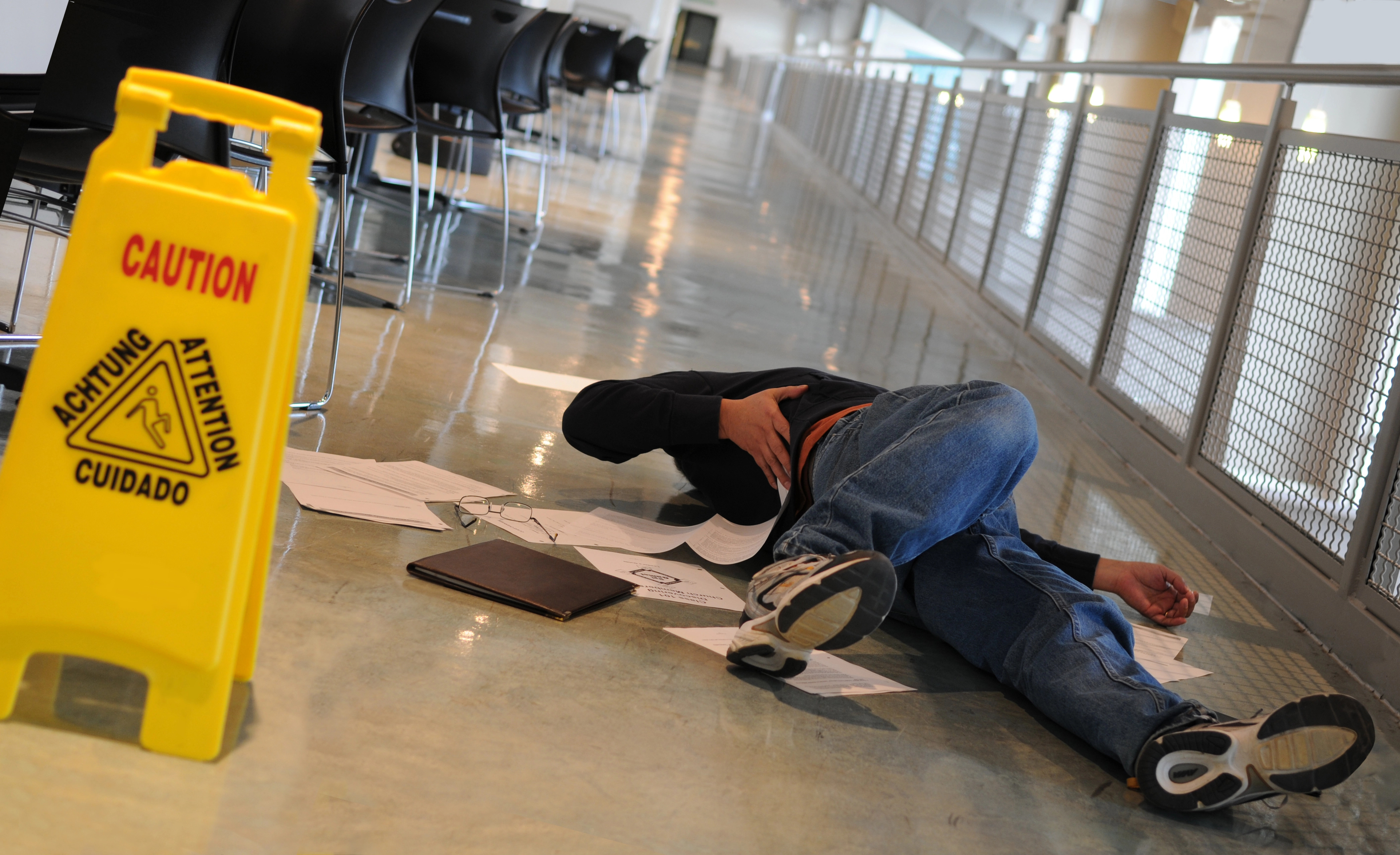 Slip and fall incidents on job sites are among the most frequently reported workplace injuries in Louisiana. Wet floors, uneven surfaces, poor lighting, and cluttered walkways all create conditions for falls that cause fractures, head injuries, spinal damage, and soft tissue injuries.
The Louisiana Workers’ Compensation Act covers these injuries when they occur on employer premises or at a location where the employer directed the worker to be. This includes off-site locations such as client properties, warehouses, or delivery routes.
What to do after a fall: Report the injury to your employer as soon as possible and seek medical treatment right away. Delays in reporting can give insurers grounds to dispute your claim, so acting quickly protects your rights.
Back and neck injuries are the most common workers’ compensation claim type nationally and are especially prevalent in Louisiana’s oil and gas, construction, and logistics industries. These injuries include herniated discs, lumbar strains, cervical sprains, and spinal stenosis aggravated by heavy lifting, repetitive bending, or prolonged physical labor.
The National Institute for Occupational Safety and Health reports that musculoskeletal disorders account for approximately one-third of all worker injury and illness cases in the United States annually. These injuries are covered regardless of whether they resulted from a single incident or developed gradually over time.
Pre-existing back conditions can also be covered if your job duties made the condition noticeably worse. Insurers routinely dispute these claims, so medical documentation connecting your job activities to the aggravation of the condition is important.
Repetitive strain injuries develop gradually from repeated motions performed over weeks, months, or years on the job. Louisiana workers’ compensation covers these conditions when you can establish a clear connection between the injury and specific job duties:
Proving a repetitive strain injury requires medical records documenting when symptoms began and how they progressed, along with a clear description of the job’s physical demands. Your treating physician’s notes are central to establishing that connection.
Louisiana’s industrial workforce faces real exposure to burn hazards and toxic chemicals. Workers’ compensation covers injuries in this category, including:
Many chemical exposure injuries qualify as occupational diseases, meaning they may not appear until months or years after the initial exposure. Louisiana law allows claims for these conditions when the connection to the work environment is established. These cases often require expert medical testimony to prove causation.
Louisiana construction workers face some of the highest injury rates of any industry in the state. Workers’ compensation covers a wide range of construction site injuries, including:
 Falls: From scaffolding, ladders, roofs, and elevated platforms, accounting for a large portion of construction fatalities each year.
The Occupational Safety and Health Administration identifies falls, struck-by incidents, electrocution, and caught-in or between hazards as the four leading causes of fatal injuries in the construction industry. If you or a family member was injured on a construction site, these categories are covered under the workers’ compensation system.
Traumatic brain injuries from workplace falls, vehicle accidents, or impacts with equipment are covered under Louisiana workers’ compensation. TBI claims often involve complex medical evidence and long-term disability that affects a worker’s ability to return to any form of employment.
These cases can involve extensive evaluation by neurologists and vocational rehabilitation professionals. If you have been diagnosed with a TBI following a workplace accident, consult with an attorney before accepting any settlement offer, as the long-term costs of these injuries are frequently underestimated at the time of initial review. For more information, see Lukov Injury Law LLC’s Traumatic Brain Injury service page.
Mental health conditions caused or meaningfully worsened by a workplace event can qualify for workers’ compensation in Louisiana under specific circumstances. Post-traumatic stress disorder following a traumatic workplace accident and severe depression triggered by a disabling physical injury are recognized conditions under Louisiana law.
The standards for standalone mental health claims in Louisiana are strict, and these cases require clear documentation linking the condition to a specific work-related event. An attorney can review your situation and help you understand whether your claim meets the required legal standard.
Not every injury qualifies for workers’ compensation, and understanding the common exclusions before filing can save you time:
If an insurer denies your claim on one of these grounds and you believe the denial is incorrect, you have the right to contest it. A workers’ compensation attorney can review whether the exclusion was applied correctly to your situation.
Louisiana workers’ compensation covers more than most injured workers realize. If you were hurt on the job and are unsure whether your injury qualifies, Lukov Injury Law LLC offers free consultations to help you understand your options. See the full overview of covered injuries on the Workers’ Compensation service page, or call Abby Lukov directly at 319-GET-ABBY.
Disclaimer: This article provides general information and should not be treated as legal advice. Laws change over time, and outcomes depend on the specific facts of each case. No attorney-client relationship is created by reading this article or contacting Lukov Injury Law LLC. For advice about your situation, contact a qualified attorney. Time limits apply to legal claims, so do not delay in seeking legal help.
Employers and insurers do not have final say on whether an injury qualifies under Louisiana workers’ compensation law. If your claim is denied, you can challenge that decision through the Louisiana Office of Workers’ Compensation. Speaking with an attorney before accepting a denial is a practical step that costs you nothing.
Yes. Louisiana workers’ compensation covers pre-existing conditions that were made worse by your job duties. You do not need to be in perfect health before the injury to qualify for benefits. Medical documentation showing how your work activity aggravated the condition is the key to a successful claim.
You should notify your employer as soon as possible after a workplace injury. Waiting too long to report gives an insurer grounds to dispute the claim. After reporting, there are additional deadlines for filing a formal claim, so speaking with an attorney early helps protect your rights.
Repetitive strain injuries and occupational diseases are covered under Louisiana workers’ compensation even though they develop over months or years. The key is connecting the condition to specific job duties through medical records and, when needed, expert testimony from a treating physician.
You are not required to have an attorney to file a claim. That said, claims involving disputed liability, denied coverage, or significant long-term disability are situations where legal guidance tends to make a meaningful difference in outcomes.