Licensed in Louisiana, Texas, and Arkansas
Licensed in Louisiana, Texas, and Arkansas
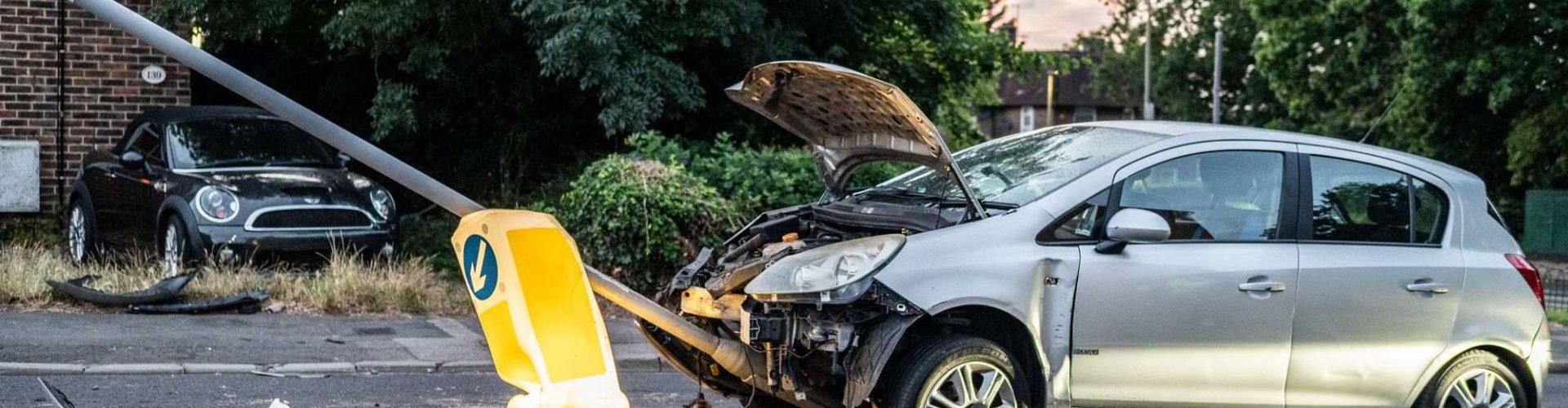
A crash with a work truck, a delivery van or a company pickup can feel like any other wreck in the first few minutes. The difference shows up later, when the other side turns out to be a business with its own insurer, its own fleet records and its own process for handling claims.
The steps taken in the first hours and days decide what can still be shown months from now: who was driving, which company the vehicle belonged to, what the scene looked like, and how the injuries developed. Some of that information is easy to lose and hard to rebuild.
At Lukov Injury Law, we approach a commercial vehicle claim by looking first at what was gathered at the scene and what still needs to be requested from the company.
The sections below cover the practical steps after the crash and the factors that shape the later choice between settling and filing suit. Contact us today to talk through your crash and the steps still ahead of you.
Safety comes first. The steps after a commercial vehicle accident in Louisiana, in order:
Check yourself and any passengers for injuries, move to a safe spot if you can do so, and call 911. The call brings emergency medical help and law enforcement to the scene. An investigating officer can prepare a written accident report that records the vehicles, the drivers, the location and the officer’s observations.
Ask the officer for the report number or the agency handling the crash before you leave. The report is one of the first documents anyone reviewing the claim will want to read.
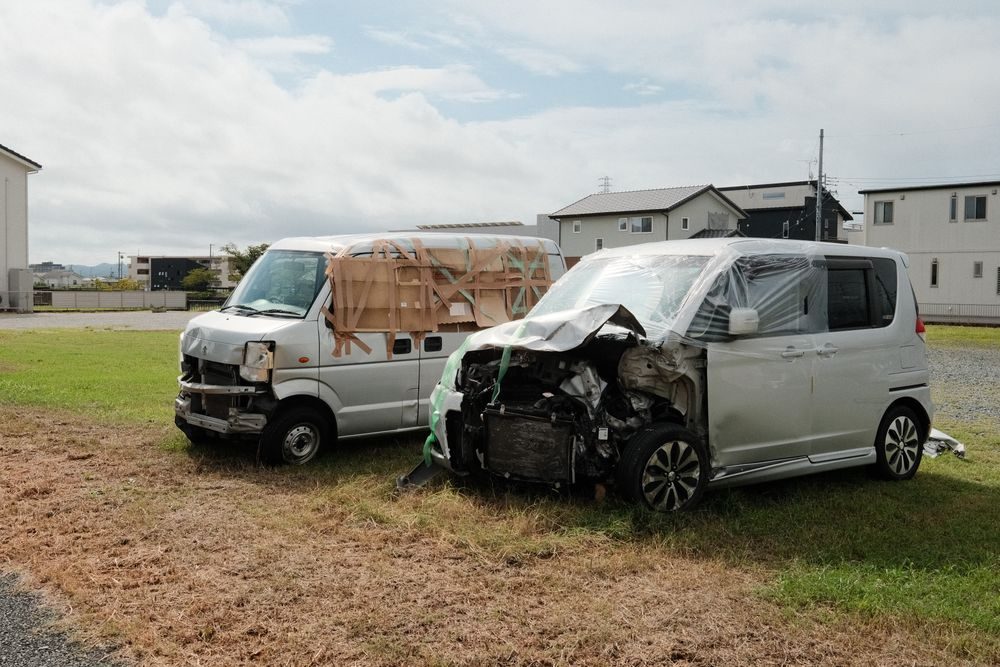 A commercial vehicle carries identifying details that a private car does not. If you are able to move around safely, photograph as many of the following as you can:
The name a witness remembers may not belong to the company responsible. Ownership, branding and employment can each belong to a different business, and those arrangements are established through documents rather than paint. Clear photographs of every marking give that later work something solid to start from.
Collect the commercial driver’s name, license details and insurance information, and write down the name of the company the driver says they work for. Ask any witnesses for their names and phone numbers, because people who stopped to help may leave before the scene is cleared.
Note any cameras nearby, on a business, a doorbell or the truck itself, so the footage can be requested before it is overwritten.
Keep conversation at the scene to the exchange of information. Statements about fault, apologies made out of politeness and guesses about speed can all be repeated later in a way that was never intended.
How a person feels at the scene is not a reliable measure of how badly they were hurt. Stress and adrenaline can hide pain for a time, and some injuries take longer to show themselves than a bruise or a cut.
Getting checked promptly does two things. It puts your health first. It also creates a record, made close in time to the crash, that connects what happened on the road to what the doctor found.
Waiting weeks for a first visit leaves an opening for the other side to blame something other than the crash. Keeping appointments, following the treatment plan and saving every bill, receipt and work note closes that opening.
If the crash involved a blow to the head, or confusion or headaches appear afterward, say so to the doctor. Our page on traumatic brain injury explains how those injuries are documented over time.
Two insurers enter the picture after a commercial vehicle crash: your own, and the one covering the company vehicle. They have different roles, and the conversation with each one deserves a different level of care.
Your policy sets out its own notice requirements, so read it and report the crash to your insurer as the policy describes. Keep the report to the facts you know: where and when the crash happened, the vehicles involved and the information you collected at the scene.
Your own coverage, including any uninsured motorist coverage, is a separate question from the claim against the company. Which parts of your policy apply depends on its terms and the facts, and that is worth reviewing early.
An adjuster for the company or its insurer may call soon after the crash, sometimes within days. That adjuster works for the company and its insurer, not for you, and the questions are part of their own evaluation of the claim. A few points deserve particular care in that conversation:
A company that operates commercial motor vehicles keeps records a private driver never creates. Depending on the vehicle and the operation, those can include driver duty-status records, inspection reports, maintenance files and an accident register, along with electronic data from the vehicle and any camera footage the company holds.
Federal rules set how long many of those records are kept, and some of the periods are short. Our article on federal trucking regulations covers those retention periods in detail. What matters here is timing: an early request can reach records before their retention periods run out.
A written request to preserve evidence, sent to the right company once it has been identified, is one of the first steps in any commercial motor vehicle claim. The photographs of the markings and the USDOT number taken at the scene are what make that request possible.
Neither path is better in the abstract. Both start from the same evidence, and a filed case can still resolve by agreement, so the question is less about choosing a side and more about weighing the factors that apply to a particular crash.
The decision resembles the one in any car wreck claim, but a company vehicle brings a business, its insurer and its records into it. These factors shape the choice:
A settlement reached before suit avoids the cost and pace of litigation. A suit moves the dispute into the court process, where the evidence is tested formally. Once an agreement is signed, its terms control what remains open, which is why the medical picture matters before that point.
Three pieces of Louisiana law underlie the factors above, and each one bears on settlement talks as much as on a lawsuit.
Louisiana Civil Code article 2323 provides that “If the degree or percentage of negligence attributable to the person suffering injury, death, or loss is equal to or greater than fifty-one percent, then the person suffering injury, death, or loss shall not be entitled to recover damages.” A share below that threshold reduces the recoverable damages in proportion to it.
The fault of all persons is quantified, whether or not they are a party to the case. The article was amended by Acts 2025, No. 15, effective January 1, 2026, so which version applies to a given crash is a question to confirm with a lawyer. In plain terms, when an insurer argues that you share the blame, it is arguing about how much can be recovered, and that argument carries into settlement talks and a trial alike.
Article 3493.1 provides: “Delictual actions are subject to a liberative prescription of two years. This prescription commences to run from the day that injury or damage is sustained.” That article came from Acts 2024, No. 423, effective July 1, 2024.
For an injury sustained before that date, the period that applies should be confirmed with a lawyer rather than assumed. The practical effect on the decision is direct: the less time that remains, the less room there is to keep negotiating before a suit has to be filed.
Louisiana limits suits against an insurer. Under La. R.S. 22:1269(B)(1), the injured person “shall have no right of direct action against the insurer unless at least one of the following applies,” and the statute then lists seven exceptions, among them the insured’s bankruptcy or insolvency and a claim against an uninsured motorist carrier.
In practice, the insurer may be the party negotiating, but a lawsuit is brought against the driver or the company it insures, and that shapes how a case is framed.
The choice between settling and suing comes later, but the evidence that informs it is gathered in the first days. At Lukov Injury Law, we secure the scene evidence and the company’s records early and lay out the fault, deadline and insurer questions so the decision can be made on a full picture rather than a partial one.
You work directly with Abby Lukov, not a case manager, and the first conversation costs nothing. Call us today to talk through what happened and which options are still open to you.
Neither settling nor suing is better in every company vehicle accident in Louisiana, because the choice depends on the facts of the crash. The strength of the evidence, how fault is likely to be divided under Civil Code article 2323, the time remaining under article 3493.1, and the limits on suing an insurer directly under R.S. 22:1269 all shape it. A filed case can still resolve by agreement, so the decision is a weighing of factors rather than a one-time choice.
Photograph the company name, logo and any phone or fleet number on the vehicle, any USDOT number on the cab or door, and the plates on the truck and any trailer. Add the damage to both vehicles, their final positions, debris, skid marks and the surrounding signs and signals. Those images help identify which company was responsible for the vehicle and the driver.
Calling 911 brings medical help and law enforcement to the scene. An investigating officer can prepare a written accident report recording the vehicles, the drivers and the officer’s observations. Ask for the report number or the agency handling the crash before you leave the scene.
The adjuster for the company or its insurer works for them, not for you, and a recorded account can be used later to frame fault and injury. Asking for time to get advice before giving any recorded statement is a reasonable request. Keep any conversation to basic facts until you have had that advice.
Your policy sets its own notice requirements, so report the crash as the policy describes and keep the report to the facts you know. Your own coverage, including any uninsured motorist coverage, is a separate question from the claim against the company, and which parts apply depends on the policy terms.
Civil Code article 3493.1 sets a liberative prescription of two years for delictual actions, running from the day the injury or damage is sustained. That article took effect July 1, 2024, through Acts 2024, No. 423. For an injury before that date, or where other facts may affect the period, the deadline should be confirmed with a lawyer.
It can. Under Civil Code article 2323, a share of negligence below fifty-one percent reduces the damages in proportion to that share, and a share of fifty-one percent or more bars recovery. That version of the article took effect on January 1, 2026, so for an earlier crash the version that applies should be confirmed with a lawyer. The same rule frames settlement talks as well as a trial, so the likely fault split is one of the factors that shapes the choice.
Keep the conversation to the exchange of names, license details and insurance information. Statements about fault, apologies made out of politeness and guesses about speed can be repeated later in ways you never intended. How the crash happened is a matter for the officer’s report and for a conversation with a lawyer.
Disclaimer: This article provides general information and should not be treated as legal advice. Laws change over time, and outcomes depend on the specific facts of each case. No attorney-client relationship is created by reading this article or contacting Lukov Injury Law LLC. For advice about your situation, contact a qualified attorney. Time limits apply to legal claims, so do not delay in seeking legal help.