
Licensed in Louisiana, Texas, and Arkansas
Licensed in Louisiana, Texas, and Arkansas

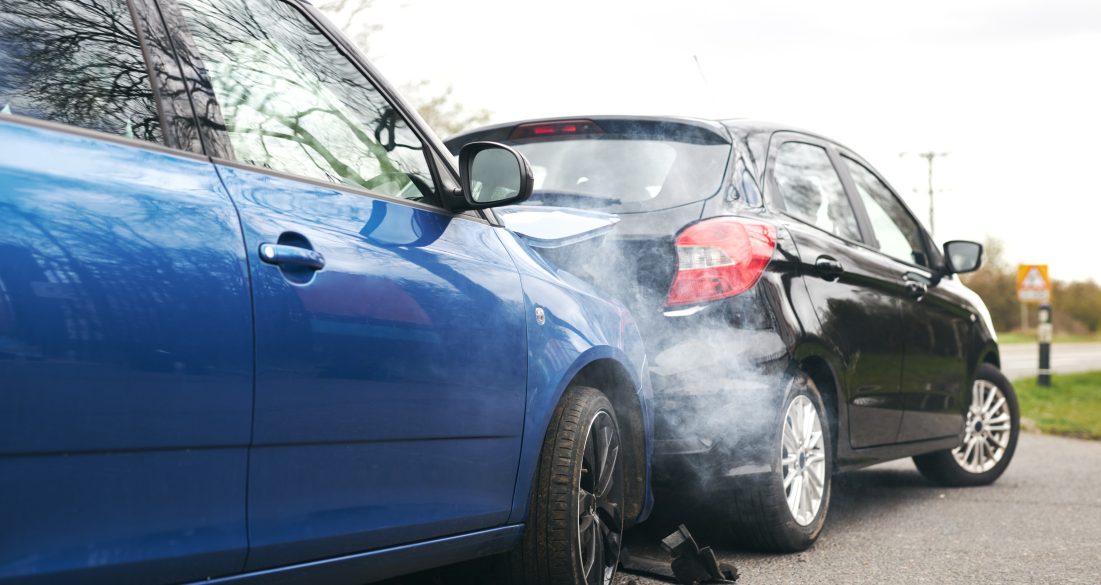
Louisiana treats these two crash types differently from the start. In a rear-end collision, the following driver is presumed at fault under the duty to keep a reasonable following distance, and that driver carries the burden of rebutting it. A head-on collision carries no such presumption, so fault turns on proving who crossed into the opposing lane and why.
Two crashes can cause similar injuries and still take completely different legal paths. Where the impact landed decides which side starts with the advantage.
That starting position shapes the entire claim, from the first adjuster call to the last negotiation. At My Lawyer Abby, the personal injury practice of Lukov Injury Law LLC, we build each case around the presumptions that apply to it.
This guide explains how Louisiana treats each collision type and where the two diverge. Contact us today to talk through which rules apply to your crash.
Louisiana sets a duty not to follow another vehicle more closely than is reasonable and prudent, accounting for speed, traffic, and road conditions. A driver who strikes the vehicle ahead is presumed to have breached that duty, which shifts the burden so the following driver, not the injured driver, has to show they were not negligent.
That presumption is not automatic, though. Courts treat it as a presumption of liability rather than a presumption of fact, so the fact-finder first establishes that this was a rear-end collision and that the following vehicle struck the one in front.
The presumption can also be rebutted. Evidence that the lead driver stopped suddenly without cause, or that a third vehicle pushed the rear car forward, can move fault away from the following driver.
No comparable presumption applies when two vehicles meet head-on. The case begins with an open question about who left their lane.
 Lane departure is the central fact, and it is rarely agreed on. Physical evidence usually settles it, including debris fields, gouge marks in the pavement, and the final resting position of each vehicle.
Crash reconstruction carries more weight here than in most cases. Impact angles and damage patterns can establish the approach path of each vehicle when witness accounts conflict.
Vehicle data adds another layer, since airbag control modules can record speed, braking, and steering input in the seconds before impact. That data has a short shelf life once a vehicle is repaired or scrapped.
Head-on collisions cluster on undivided roads, where a moment of drift puts a vehicle into opposing traffic. Rural Louisiana carries long stretches of exactly that road type.
Passing maneuvers are a recurring factor. A driver who pulls out to pass and misjudges the closing distance creates a collision at a combined speed neither vehicle was traveling on its own.
Road conditions enter the analysis as well. Standing water, poor shoulder maintenance, faded lane markings, and missing signage can all contribute, and they raise questions beyond the two drivers.
Head-on cases produce shared fault more often than rear-end cases do. A driver who crossed the center line may have been avoiding a hazard, while the oncoming driver may have been speeding or slow to react.
Both facts can be true at once, which is how a case ends with fault divided rather than assigned. That division carries direct financial consequences under Louisiana law.
Evasive action gets scrutinized closely. A driver who swerved into the opposing lane to avoid something faces a question about whether that choice was reasonable in the moment.
Not every head-on collision starts with driver error. A tire failure, steering component defect, or brake failure can put a vehicle across the line without any decision by the driver.
Those claims widen the case beyond the two drivers to a manufacturer, repair shop, or road authority. They also depend on the vehicle being preserved rather than released to a salvage yard.
Commercial vehicles bring maintenance records, inspection logs, and hours-of-service data into the picture. We handle Louisiana 18-wheeler accident claims where a head-on with a tractor-trailer turned on exactly those records.
The differences compound because the starting presumption shapes what each side has to prove and how insurers approach the file.
Because head-on impacts combine the speed of both vehicles, these crashes are more likely to produce catastrophic outcomes, and fatal collisions open a separate legal path through Louisiana wrongful death claims.
Whichever crash type applies, Louisiana converts fault into money through percentages. For causes of action arising on or after January 1, 2026, a person found 51 percent or more at fault recovers nothing.
Below that threshold, the recovery is reduced by the assigned share. A person 30 percent at fault recovers 70 percent of their damages, and someone at 50 percent still recovers half. Crashes before that date are governed by Louisiana’s older pure comparative fault system, where a reduced recovery remains available at any fault percentage.
This is why the starting presumption matters so much in practice. A rear-end case begins with fault leaning one direction, while a head-on case is often a genuine contest over percentages from the first day. We handle Louisiana car wreck claims on both sides of that line.
The rules that apply to your collision decide what has to be proven and who has to prove it. At My Lawyer Abby, the personal injury practice of Lukov Injury Law LLC, we identify that framework first and gather the evidence it calls for before it disappears.
You work directly with Abby, not a case manager, and the first conversation is free. Call us today to talk through your crash and which rules govern it.
Disclaimer: This article provides general information and should not be treated as legal advice. Laws change over time, and outcomes depend on the specific facts of each case. No attorney-client relationship is created by reading this article or contacting Lukov Injury Law LLC. For advice about your situation, contact a qualified attorney. Time limits apply to legal claims, so do not delay in seeking legal help.
The following driver is presumed at fault based on the duty to keep a reasonable and prudent following distance. That presumption shifts the burden onto the rear driver to show they were not negligent. It is rebuttable with evidence of a sudden unexplained stop or a third vehicle pushing them forward.
Not automatically. Crossing the center line is strong evidence of fault, but the reason matters. A tire failure, a mechanical defect, or reasonable evasive action to avoid a hazard can shift or divide fault, and the oncoming driver’s speed can also factor in.
The forces combine. Two vehicles approaching each other meet at their closing speed rather than the speed of one vehicle, so the energy involved in the impact is greater than in a rear-end collision at comparable speeds. That combined force is why head-on crashes tend to produce more serious outcomes on Louisiana’s rural highways.
Yes. The presumption favors you, but it can be rebutted. If evidence shows you stopped suddenly without cause, had non-working brake lights, or stopped in a travel lane without reason, a share of fault can be assigned to you under Louisiana’s fault-sharing rules.
Physical scene evidence carries the most weight, including the debris field, gouge marks in the pavement, and final vehicle positions. Crash reconstruction and airbag control module data help establish approach paths and speeds when the two accounts conflict, which is common after a head-on crash.
Yes, for causes of action arising on or after January 1, 2026, a person 51 percent or more at fault recovers nothing regardless of collision type. A lower share reduces the recovery proportionally. Crashes before that date fall under the older pure comparative fault rule.
Louisiana sets a two-year prescriptive period for most personal injury claims, running from the day the injury is sustained. Injuries before July 1, 2024, fall under the older one-year rule. Claims involving a public road authority may carry different notice requirements.
Preserving the vehicle is worth considering in serious cases. Crush damage, component condition, and airbag control module data can all support the claim, and that evidence is lost once the vehicle is repaired or sent to salvage, so acting quickly matters.
