Licensed in Louisiana, Texas, and Arkansas
Licensed in Louisiana, Texas, and Arkansas

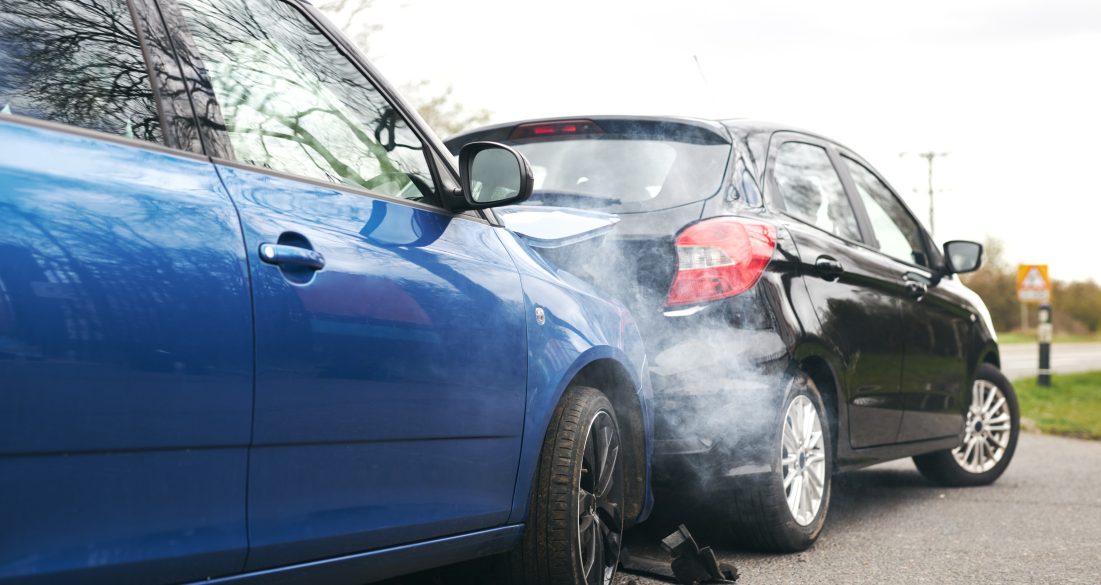
Louisiana treats a vehicle as a total loss when damage reaches 75 percent or more of its market value, measured against the most current National Automobile Dealers Association handbook. Once that threshold is crossed, a salvage title application goes to the Office of Motor Vehicles within 30 days of the settlement. Cosmetic hail damage is a stated exception and receives a branded title instead.
Hearing that a vehicle is totaled usually raises two questions at once: how the insurer arrived at that call, and what the check will be. Both have answers grounded in Louisiana law.
The property damage claim runs on its own track, separate from any injury claim. At My Lawyer Abby, the personal injury practice of Lukov Injury Law LLC, we make sure one does not get quietly traded against the other.
This guide walks through the threshold, the valuation, the paperwork, and what to do about a low offer. Contact us today if your vehicle was declared a total loss and the number does not look right.
Louisiana sets a specific threshold rather than leaving the call to the insurer. The terms below are the ones that appear in the paperwork.
| Term | What It Means Under Louisiana Law |
|---|---|
| Total loss | Damage equal to 75 percent or more of the vehicle’s market value. |
| Market value | Determined by the most current National Automobile Dealers Association handbook. |
| Salvage title | The title that shows a settlement declared the vehicle a total loss. |
| Filing window | Salvage title application goes to the Office of Motor Vehicles within 30 days of settlement. |
| Hail exception | Cosmetic hail damage at 75 percent or more is not a total loss; the vehicle receives a hail-branded title instead. |
The threshold means a repairable vehicle can still be totaled. On an older car with modest market value, a moderate repair estimate crosses 75 percent easily. We handle Louisiana car wreck claims where the property damage fight came before the injury claim ever got moving.
The threshold is fixed, but the market value it applies to is an estimate. That estimate is where most disputes live.
 Insurers generate a valuation report supporting the figure they offer. You can request a copy, and reading it is the starting point for any challenge.
The report lists the comparable vehicles used, the adjustments applied, and the resulting value. Errors in any of those inputs move the final number.
Ask for the report in writing before responding to the offer. An offer without the supporting report is difficult to evaluate.
Most valuation reports include both a summary page and a detailed worksheet showing each comparable’s adjustments. Request the full worksheet, not just the summary, since line-item errors are easier to spot there.
Valuations rest on recent sales or listings of similar vehicles. The quality of those comparables drives the result.
Check whether they match your vehicle’s trim, engine, drivetrain, and geographic market. A comparable pulled from a distant market with different pricing skews the figure.
Supplying your own comparables is a legitimate response. Local listings for genuinely similar vehicles carry weight in a negotiation.
Ask specifically how far from your location each comparable was sourced, since a national database can pull listings from a wide radius. A shorter list of closer, better-matched vehicles is more persuasive than a longer list of distant ones.
Mileage below average for the model year supports a higher value, and above-average mileage reduces it. Confirm the figure used matches your odometer.
Recent work belongs in the file. New tires, a replaced transmission, or recent major service are documented adjustments when you produce receipts.
Options and packages get missed regularly. A vehicle valued as a base trim when it carried an upgraded package is undervalued from the start.
Photographs help substantiate condition claims, particularly for interior wear, tire tread, and upgrades that are easy to overlook in a generic listing. Service records showing consistent maintenance can offset an otherwise average condition rating when submitted together with the rest of your evidence.
The settlement figure is not what lands in your account. Your deductible comes out if the claim runs through your own collision coverage.
An outstanding loan is paid from the settlement before you receive anything. When the payoff exceeds the vehicle’s value, the gap is yours unless you carry coverage addressing it.
Review the payoff quote against the settlement early. Discovering a shortfall after signing leaves little room to negotiate.
Ask your insurer for an itemized breakdown showing the settlement figure, the deductible, and the loan payoff as separate line items rather than a single net number. That breakdown makes it easier to identify which figure is actually in dispute.
 Once the settlement is reached, the title moves. The properly endorsed certificate of title and a salvage title application go to the Louisiana Office of Motor Vehicles within 30 days of the insurance settlement.
That filing can be made by the insurer, its agent, or the vehicle owner, depending on the arrangement. Confirming who is handling it prevents a title problem months later.
Retaining the vehicle is sometimes an option, with the salvage value deducted from the settlement. That choice carries consequences for future registration and resale, so it is worth thinking through rather than deciding at the counter.
Start with the valuation report rather than an argument about the number. Specific errors in comparables, mileage, trim, or condition are what move a figure.
Assemble your own evidence, including local listings for closely comparable vehicles, service records, and photographs of the vehicle’s pre-crash condition. Documentation works better than assertion.
Put the response in writing and identify each disputed input. A written record of what you challenged and when is useful if the disagreement continues.
Set a deadline for the insurer’s response and follow up if you don’t hear back within that window. Keep copies of every communication, including the date each item was submitted, in case the file needs to be escalated later.
Property damage and injury are separate claims that often move on different schedules. Settling the vehicle does not settle the injury claim, though the release language warrants a careful read.
One Louisiana rule reaches property damage directly. Under the state’s No Pay No Play rule, an uninsured driver cannot recover the first $100,000 in property damage or the first $100,000 in bodily injury damages, regardless of who caused the crash.
Coverage limits also matter here, since Louisiana’s minimum property damage liability limit is $25,000. A newer vehicle can exceed that, leaving a shortfall unless other coverage applies. Commercial crashes raise the stakes further, and we handle Louisiana 18-wheeler accident claims and commercial motor vehicle claims where property damage alone ran well past standard limits.
A total loss offer is a starting position built on estimates that can be checked. At My Lawyer Abby, we review the valuation and the release language before anything gets signed.
You work directly with Abby, not a case manager, and the first conversation is free. Call us today to go over your total loss offer and what it leaves out.
Louisiana treats a vehicle as a total loss when damage equals 75 percent or more of its market value, measured against the most current National Automobile Dealers Association handbook. Cosmetic hail damage reaching that threshold is a stated exception and receives a branded title instead.
Through a valuation report based on comparable vehicles, adjusted for mileage, trim, options, and condition. You can request the report and review each input. Errors in the comparables, mileage figure, or trim level are common and directly change the value.
Often yes, with the salvage value deducted from the settlement. The vehicle then carries a salvage title, which affects future registration, insurability, and resale value.
What if the total loss offer is less than what I owe on the loan?
How long does the insurance company have to file the salvage title?
Does settling my totaled car end my injury claim?
A release worded broadly can reach more than the vehicle. Having the wording reviewed before you sign keeps the two claims on separate tracks.
The claim may shift to your own coverage, depending on what your policy includes. Louisiana also bars an uninsured driver from recovering the first $100,000 in property damage and the first $100,000 in bodily injury damages, regardless of fault.
Louisiana defines total loss against the most current handbook from the National Automobile Dealers Association. The threshold determination rests on that measure, while the settlement negotiation still involves comparables and condition adjustments that can be challenged. Documented options, mileage, and condition all feed into the final figure.
Disclaimer: This article provides general information and should not be treated as legal advice. Laws change over time, and outcomes depend on the specific facts of each case. No attorney-client relationship is created by reading this article or contacting Lukov Injury Law LLC. For advice about your situation, contact a qualified attorney. Time limits apply to legal claims, so do not delay in seeking legal help.